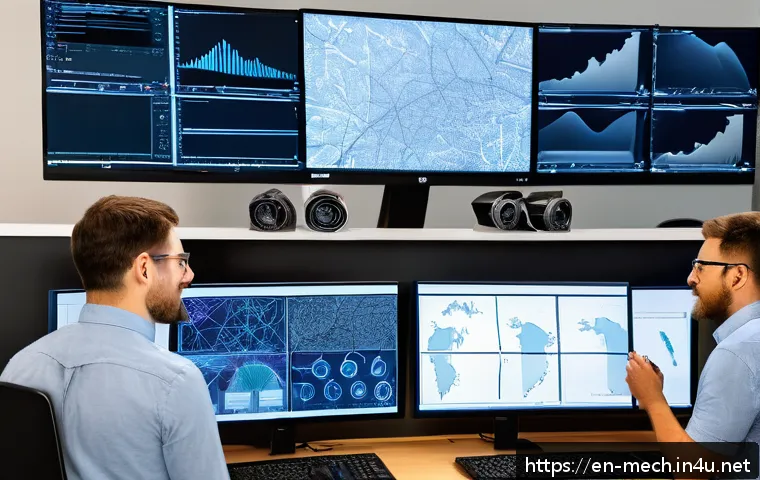
As industries rapidly evolve with digital transformation, mechanical engineering stands at a pivotal crossroads. The integration of advanced machine software is no longer just an option but a necessity to stay competitive and innovative.
I’ve noticed firsthand how embracing these technologies can dramatically enhance design precision and operational efficiency. In today’s post, we’ll explore how cutting-edge software is reshaping mechanical engineering, unlocking new possibilities that were once thought impossible.
If you’re curious about the future of engineering or looking to stay ahead in this dynamic field, you’re in the right place. Let’s dive into the exciting advancements driving this revolution.
Revolutionizing Design Through Simulation and Modeling
Enhanced Accuracy with Virtual Prototyping
The shift from traditional physical prototyping to virtual prototyping has been a game-changer in mechanical design. Using advanced simulation software, engineers can now visualize and test their designs in a completely virtual environment.
This not only slashes development time but also drastically reduces material costs. From my own experience working with CAD and CAE tools, the ability to iterate rapidly without producing physical models accelerates innovation.
It’s fascinating how stress tests, thermal analysis, and fluid dynamics simulations can be conducted with pinpoint precision before a single component is manufactured.
This level of accuracy ensures fewer design flaws, leading to products that are both safer and more reliable.
Integration of AI for Predictive Design Improvements
Artificial Intelligence has stepped in to complement traditional engineering workflows by analyzing massive datasets from previous projects and simulations.
I’ve noticed that AI algorithms can suggest design optimizations that might not be immediately obvious to human engineers. These suggestions can range from material substitutions to geometric tweaks that improve performance or reduce weight.
The synergy between AI and human creativity is producing smarter, more efficient designs, which is especially critical in industries like aerospace and automotive where every gram and every millimeter counts.
Collaborative Cloud-Based Platforms
Gone are the days when design teams had to be confined to a single location. Cloud-based engineering platforms now enable seamless collaboration across continents.
From my involvement in remote projects, the ability to work simultaneously on models, track changes in real time, and integrate feedback instantly has been invaluable.
This connectivity not only speeds up the design cycle but also encourages diverse perspectives, leading to more innovative solutions. The cloud also provides scalable computing power that can handle complex simulations without the need for hefty local hardware investments.
Streamlining Manufacturing with Smart Automation
Robotics and Machine Learning in Production Lines
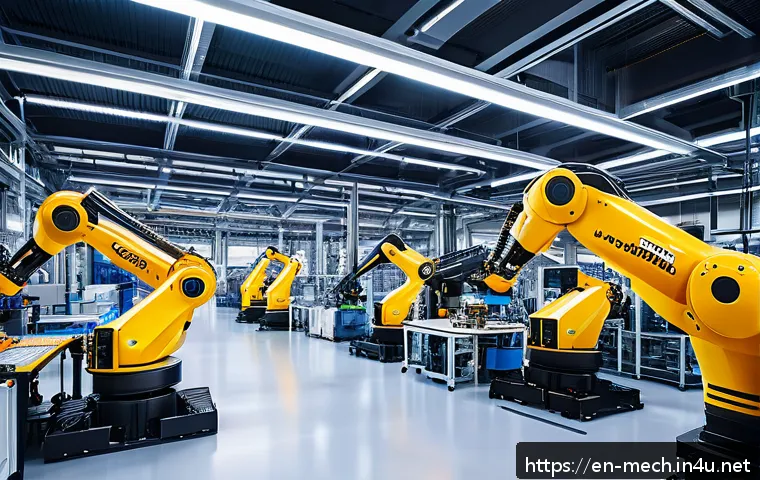
Automation in manufacturing isn’t just about robots performing repetitive tasks anymore; it’s about intelligent systems learning and adapting to optimize processes.
I’ve witnessed firsthand how integrating machine learning algorithms into production lines can predict equipment failures before they happen, minimizing downtime and saving costs.
Robots equipped with vision systems can adjust their actions dynamically, ensuring higher precision and consistency. This adaptability is vital in handling customized orders or small batch productions without sacrificing efficiency.
Real-Time Monitoring and Data Analytics
Smart sensors embedded in machines collect enormous volumes of data, which can be analyzed in real time to optimize operations. When I worked on a project involving CNC machining, the ability to monitor parameters like temperature, vibration, and tool wear remotely allowed for immediate adjustments.
This proactive approach prevents defects and extends the lifespan of equipment. Additionally, data analytics helps identify bottlenecks and inefficiencies that might otherwise go unnoticed, enabling continuous process improvements that enhance overall productivity.
Digital Twins: Bridging the Gap Between Virtual and Physical
The concept of digital twins—virtual replicas of physical systems—is transforming how manufacturers approach maintenance and optimization. I recall a case where a digital twin of an assembly line was used to simulate different production scenarios without interrupting actual operations.
This practice helped identify the most efficient workflows and troubleshoot potential issues before they caused real-world problems. Digital twins serve as a dynamic bridge, offering engineers a comprehensive understanding of system behavior in real time.
Elevating Maintenance Strategies with Predictive Technologies
Condition-Based Maintenance Powered by IoT
The Internet of Things (IoT) has revolutionized equipment maintenance by enabling condition-based approaches. Instead of relying on fixed schedules, maintenance is performed based on the actual state of machinery.
I’ve experienced how sensors monitoring temperature, vibration, and lubricant quality can trigger alerts only when certain thresholds are crossed, preventing unnecessary downtime and reducing maintenance costs.
This tailored strategy ensures machines operate at peak performance while extending their service life.
Advanced Diagnostics Through Machine Learning
Machine learning models trained on historical maintenance data can now predict potential failures with remarkable accuracy. In one of my projects, predictive analytics flagged subtle patterns that indicated an impending bearing failure weeks before it occurred.
This early warning gave the maintenance team ample time to intervene, avoiding costly breakdowns. These diagnostic tools are becoming indispensable for industries where reliability is non-negotiable, such as energy and transportation.
Remote Maintenance and Augmented Reality Support
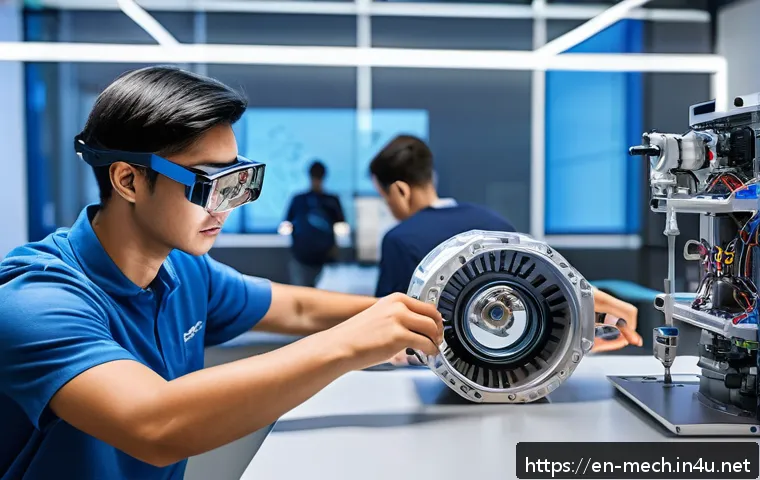
The rise of augmented reality (AR) has opened new frontiers in remote maintenance. I’ve used AR headsets to guide technicians through complex repairs, overlaying step-by-step instructions directly onto the equipment.
This technology not only reduces the need for expert travel but also enhances training for less experienced staff. Remote diagnostics combined with AR support accelerate problem resolution, minimizing downtime and boosting operational efficiency.
Accelerating Innovation with Customizable Software Solutions
Modular Software Architectures
One of the trends I find most exciting is the rise of modular software platforms that allow engineers to tailor tools to their unique needs. Instead of one-size-fits-all packages, these systems let users integrate specific modules—like simulation, data analytics, or project management—into a cohesive workflow.
This flexibility fosters innovation by empowering teams to experiment with new approaches without being bogged down by rigid software constraints.
Open-Source Tools Driving Collaboration
Open-source mechanical engineering software is gaining traction for its accessibility and collaborative potential. From my interactions with the engineering community, open-source platforms encourage knowledge sharing and rapid development.
Engineers can customize code, share improvements, and build on collective expertise, which accelerates problem-solving and democratizes access to cutting-edge tools.
This community-driven approach is especially valuable for startups and educational institutions with limited budgets.
Seamless Integration with Enterprise Systems
Effective software solutions today must communicate smoothly with enterprise resource planning (ERP) and product lifecycle management (PLM) systems. I’ve seen how seamless data flow between design, manufacturing, and supply chain software reduces errors and accelerates time-to-market.
Integration ensures that everyone from engineers to procurement teams is on the same page, enabling more efficient decision-making and reducing costly miscommunications.
Comparing Traditional and Modern Engineering Software Capabilities
| Feature | Traditional Software | Modern Advanced Software |
|---|---|---|
| Design Iteration Speed | Slow, relies heavily on physical prototyping | Fast, supports virtual prototyping and rapid changes |
| Simulation Accuracy | Basic, limited scope and precision | Highly accurate with multi-physics capabilities |
| Collaboration | Localized, manual file sharing | Cloud-based, real-time multi-user collaboration |
| Automation Integration | Minimal, manual updates required | Seamless with IoT and machine learning |
| Maintenance Support | Reactive, scheduled maintenance | Predictive, condition-based with AR support |
| Customization | Limited, fixed software packages | Modular and open-source options |
Future Prospects: AI-Driven Design and Autonomous Manufacturing
Generative Design Leading Creativity
Generative design tools powered by AI are already making waves by offering thousands of design alternatives based on specified constraints. I remember experimenting with one such tool where I input material and load requirements, and the software produced innovative shapes that I wouldn’t have considered.
This technology frees engineers from conventional thinking, unleashing creativity that pushes the boundaries of what’s possible.
Autonomous Factories and Self-Optimizing Systems
The vision of fully autonomous factories is closer than ever. Machines equipped with AI and robotics will not only manufacture products but also self-optimize processes in real time.
From my perspective, this will redefine efficiency and quality standards, as systems can instantly adapt to variations in supply, demand, and operational conditions without human intervention.
This level of autonomy promises unprecedented productivity gains and cost savings.
Ethical and Workforce Considerations
While the technological advances are thrilling, they also raise important questions about workforce adaptation and ethical use. In my discussions with industry peers, there’s a shared understanding that engineers must be proactive in reskilling and ensuring AI and automation complement rather than replace human expertise.
Balancing innovation with responsibility will be key to sustaining growth and social acceptance in the coming decades.
Training and Skill Development in the Age of Digital Engineering
Continuous Learning with Online Platforms
The rapid evolution of software tools demands ongoing education. From personal experience, online courses and certifications have been indispensable for staying current.
Platforms offering hands-on labs and real-world projects help engineers translate theory into practice efficiently. This continuous learning culture is vital for maintaining competitive advantage in a fast-moving industry.
Hands-On Experience with Virtual Labs
Virtual labs and augmented reality training environments provide immersive experiences that are often more effective than traditional classroom methods.
I’ve used AR simulators that mimic complex machinery, allowing trainees to practice troubleshooting and assembly in a risk-free setting. This practical exposure accelerates skill acquisition and builds confidence before working on actual equipment.
Collaborative Skill Sharing Communities
Communities and forums where engineers share tips, code snippets, and project insights play a significant role in professional growth. I often turn to these networks for advice on tackling unique challenges or exploring emerging tools.
The sense of camaraderie and shared passion fosters innovation and keeps the engineering spirit alive in a digital era.
Conclusion
In today’s rapidly evolving engineering landscape, simulation, AI, and automation are transforming how designs are created, tested, and manufactured. Embracing these technologies not only enhances precision and efficiency but also opens new doors for innovation and collaboration. As we move forward, integrating human creativity with smart tools will be essential for staying competitive and sustainable.
Helpful Information
1. Virtual prototyping significantly reduces costs and speeds up design cycles by eliminating the need for physical models.
2. AI-driven design recommendations can uncover optimization opportunities that might be missed by traditional methods.
3. Cloud-based platforms enable real-time teamwork across geographies, enhancing innovation through diverse input.
4. Predictive maintenance powered by IoT and machine learning helps avoid unexpected downtime and lowers repair expenses.
5. Modular and open-source software solutions provide flexibility and foster community-driven advancements in engineering tools.
Key Takeaways
Modern engineering is no longer confined to manual processes and static software; it thrives on interconnected, intelligent systems that promote agility and precision. By leveraging virtual simulations, AI enhancements, and cloud collaboration, teams can accelerate innovation while maintaining high standards of quality. Additionally, adopting predictive maintenance and AR-supported training ensures operational resilience. Staying current with these trends and continuously developing relevant skills is vital for engineers aiming to lead in this dynamic environment.
Frequently Asked Questions (FAQ) 📖
Q: uestionsQ1: How does advanced machine software improve mechanical engineering design precision?
A: Advanced machine software significantly enhances design precision by allowing engineers to create highly detailed and accurate models. Through simulations and real-time adjustments, it minimizes human error and optimizes component fit and function before physical prototyping.
From my experience, using software like CAD and CAE tools has cut down redesign cycles dramatically, saving both time and resources while ensuring that the final product meets stringent quality standards.
Q: What are the key operational benefits of integrating digital tools in mechanical engineering workflows?
A: Integrating digital tools streamlines workflows by automating repetitive tasks, improving data management, and facilitating better collaboration across teams.
In practice, this means faster project turnaround times and more consistent output quality. When I implemented these tools in my projects, I noticed a clear boost in efficiency—machines operated with fewer errors, maintenance became predictive rather than reactive, and overall downtime was reduced, directly impacting profitability.
Q: Are there any challenges or risks associated with adopting new engineering software?
A: Yes, adopting new software comes with challenges such as the learning curve for engineers, initial integration costs, and potential compatibility issues with existing systems.
However, these hurdles can be overcome with proper training and phased implementation. Speaking from experience, investing time upfront to train the team and gradually transition systems paid off in the long run, as the increased capabilities and improved outcomes far outweighed the initial struggles.
The key is to approach adoption strategically and keep communication open among all stakeholders.