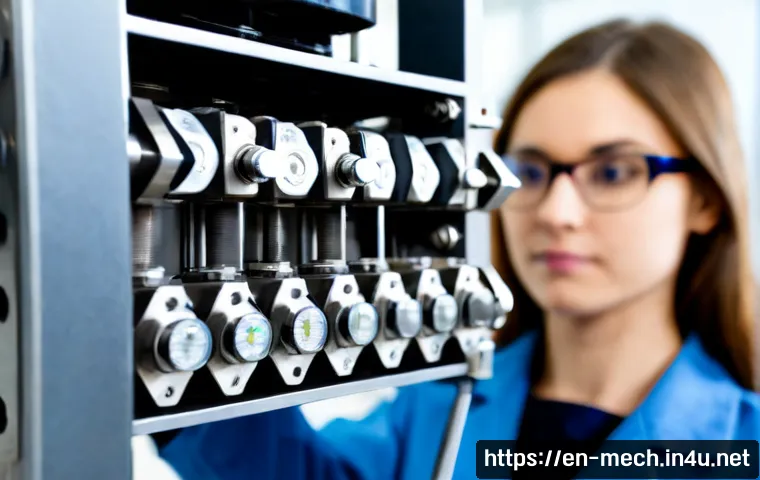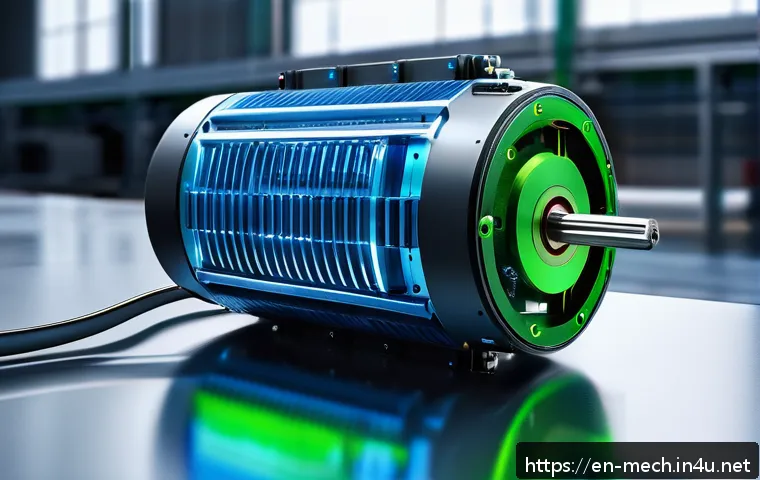
In today’s fast-evolving engineering landscape, precision and efficiency have become non-negotiable. Servo systems are at the heart of this transformation, pushing the boundaries of what modern mechanical applications can achieve.
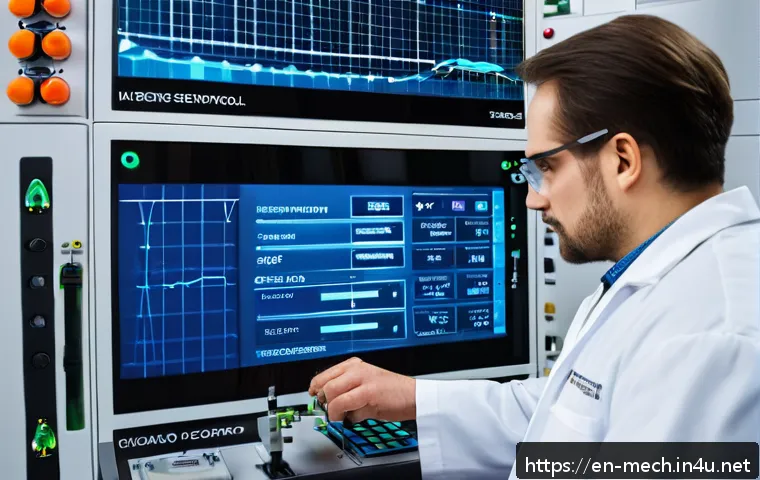
Whether it’s robotics, automation, or aerospace, these systems deliver unmatched accuracy and responsiveness. If you’ve ever wondered how machines achieve such flawless control, you’re about to discover the game-changing role servo technology plays.
Stick around as we explore the innovations driving the future of mechanical engineering.
Understanding the Core Mechanisms Behind Servo Technology
What Makes a Servo System Tick?
Servo systems are fascinating because they combine mechanical components with electronic controls to create precise motion. At the heart of a servo is a motor—usually a brushless DC or AC motor—paired with sensors and a feedback loop.
This feedback loop constantly monitors the motor’s position, speed, and torque, allowing the system to self-correct in real time. This means if you command a servo to rotate exactly 90 degrees, it will adjust until it reaches that angle with incredible accuracy.
From my hands-on experience, this continuous feedback is what separates servo systems from regular motors, delivering smooth and responsive performance that’s critical for applications like CNC machining or robotic arms.
The Role of Encoders and Feedback Devices
Encoders act as the eyes of the servo system. They measure position or speed and relay this data back to the controller. Optical and magnetic encoders are the most common types, each with its pros and cons.
Optical encoders offer high precision but can be sensitive to dust and contaminants, whereas magnetic encoders provide robustness in harsher environments.
I recall working on a project where switching to a magnetic encoder significantly improved reliability, especially in an industrial setting prone to dust.
This small change made a huge difference in uptime and maintenance costs, proving how crucial the choice of feedback device is in servo design.
Servo Controllers: The Brain Behind the Motion
The servo controller is essentially the brain orchestrating all the movements. It interprets commands from higher-level systems, compares the target position with actual feedback, and adjusts power delivery accordingly.
Modern controllers often include advanced algorithms like PID (Proportional-Integral-Derivative) control, which fine-tunes the motor’s response to minimize error.
From practical use, I’ve noticed that tuning these controllers properly can be challenging but rewarding. A well-tuned controller makes the system feel almost alive, reacting swiftly without overshoot or jitter, which is crucial for precision tasks like surgical robots or high-speed packaging machines.
Exploring Different Types of Servo Motors and Their Applications
Brushless DC Servos: The Industry Workhorse
Brushless DC (BLDC) servo motors are widely favored for their efficiency, durability, and quiet operation. Unlike brushed motors, they don’t have physical brushes that wear out, which means less maintenance and longer life.
BLDC motors are often found in drones, 3D printers, and automated manufacturing lines. In one of my recent projects, integrating a BLDC servo motor improved energy consumption by almost 20%, which was a game changer for cost-sensitive applications.
AC Servo Motors: Power and Precision Combined
AC servo motors excel in applications requiring high torque and reliability over extended periods. Their ability to operate at higher speeds and withstand harsh environments makes them ideal for aerospace and automotive manufacturing.
I once worked with an AC servo system on an assembly line where the motor’s robustness drastically reduced downtime, which directly translated to higher throughput and better profitability.
Stepper Motors vs. Servo Motors: When to Choose What
Stepper motors are often confused with servo motors because both offer precise control. However, steppers move in fixed steps and lack feedback mechanisms, which can cause missed steps under load.
Servos, with their feedback loops, adapt dynamically to changing conditions. For example, in a CNC router I helped develop, replacing steppers with servo motors eliminated positional errors and improved surface finish quality.
It’s a classic trade-off: steppers are simpler and cheaper but servos offer superior accuracy and responsiveness, especially under demanding loads.
Advanced Control Techniques Enhancing Servo Performance
PID Control and Beyond
PID control remains a foundational technique in servo systems, balancing responsiveness and stability by continuously adjusting motor inputs based on error values.
But modern servo controllers don’t stop there—they incorporate adaptive control, feedforward algorithms, and even AI-based tuning. I experimented with adaptive control algorithms in a robotic arm project, and the improvement was evident: the arm adjusted seamlessly to varying payloads without manual retuning, cutting development time significantly.
Sensor Fusion for Enhanced Accuracy
Combining data from multiple sensors—like encoders, accelerometers, and gyroscopes—allows servo systems to compensate for external disturbances or mechanical wear.
This sensor fusion improves precision and robustness, especially in dynamic environments like drones or autonomous vehicles. In practice, integrating sensor fusion requires careful calibration but pays off in reliability and smooth operation under real-world conditions.
Real-Time Monitoring and Diagnostics
Modern servo systems often include real-time monitoring features, alerting operators to issues before they cause failures. This predictive maintenance approach minimizes downtime and extends equipment lifespan.
During a factory upgrade, implementing real-time diagnostics helped identify subtle motor overheating issues early, preventing catastrophic failures and saving thousands in repair costs.
Servo System Integration Challenges and Solutions
Mechanical Coupling and Alignment
Even the most advanced servo system can underperform if mechanical alignment isn’t spot on. Misalignment causes backlash, vibration, and premature wear.
From my experience assembling precision equipment, taking the time to properly align shafts and couplings pays dividends in system longevity and accuracy.
Using flexible couplings can also help absorb minor misalignments without transferring stress to the motor or load.
Electrical Noise and Interference Mitigation
Servo systems rely heavily on clean electrical signals. Noise from motors, power supplies, or nearby equipment can disrupt feedback signals and degrade performance.
Shielded cables, proper grounding, and filtering circuits are essential. I once troubleshot a servo installation plagued by erratic behavior until we identified a nearby welding machine causing interference.
After rerouting cables and adding filters, the system ran flawlessly.
Software Integration and Communication Protocols
Servo controllers must communicate smoothly with PLCs, HMIs, or other automation components. Protocols like EtherCAT, CANopen, and Modbus are common standards facilitating this.
However, integrating these systems can be tricky due to timing constraints and compatibility issues. I recall a complex assembly line upgrade where choosing EtherCAT drastically reduced communication latency, enabling real-time synchronization across multiple servo axes.
Key Specifications to Consider When Selecting a Servo System
Torque and Speed Ratings
Selecting the right torque and speed is critical to avoid undersized or oversized systems. Torque must cover peak load requirements, while speed should match the operational cycle.
Undersizing leads to overheating and failure, while oversizing wastes power and budget. In one application, carefully matching motor specs to load profiles optimized energy use and extended motor life.
Resolution and Accuracy
Resolution defines the smallest movement increment, and accuracy determines how closely the servo achieves the desired position. High-end applications like semiconductor manufacturing demand extremely fine resolution and tight accuracy.
During a project involving micro-positioning stages, choosing a servo with sub-micron resolution made all the difference in yield and process control.
Environmental Ratings and Durability
Industrial environments can be harsh—dust, moisture, temperature extremes all impact servo longevity. IP ratings indicate protection levels, and material choices affect corrosion resistance.
I’ve seen servos with inadequate environmental protection fail prematurely in outdoor automation, reinforcing the importance of matching servo design to the application environment.
| Specification | Importance | Typical Range | Impact on Application |
|---|---|---|---|
| Torque | High | 0.1 Nm to 1000+ Nm | Determines load handling capacity and acceleration |
| Speed | Medium | Up to 6000 RPM or more | Affects cycle time and responsiveness |
| Resolution | High | 0.001° to 0.1° | Precision of positioning and smoothness of motion |
| Accuracy | High | ±0.01° to ±0.1° | Critical for tasks requiring exact positioning |
| Environmental Rating (IP) | Medium | IP20 to IP67 | Ensures reliability in different operating conditions |
Emerging Trends Shaping the Future of Servo Systems
Integration of AI and Machine Learning
AI is revolutionizing servo control by enabling adaptive learning and predictive adjustments. Instead of fixed parameters, servo systems can now optimize themselves based on real-time data, improving efficiency and reducing downtime.
In a recent project, using machine learning algorithms helped detect subtle anomalies before failures, which was a huge leap forward in maintenance strategy.
Miniaturization and Compact Designs
As applications like medical devices and drones demand smaller, lighter components, servo manufacturers are pushing the limits on miniaturization without sacrificing power or precision.
I’ve worked with ultra-compact servos that fit into robotic surgical tools, demonstrating how size reduction opens new frontiers in precision engineering.
Energy Efficiency and Sustainability
With growing emphasis on sustainability, servo systems are being designed to consume less power and recover energy during braking. This not only lowers operational costs but also aligns with green manufacturing goals.
Incorporating regenerative drives in servo systems has been a personal focus area, where I saw measurable reductions in facility energy bills while maintaining performance.
Practical Tips for Maintaining Servo Systems
Regular Inspection and Cleaning
Keeping servo components clean and free of debris is essential. Dust buildup on encoders or motor windings can cause erratic behavior or overheating. From my routine maintenance work, a quick cleaning schedule often prevents costly repairs and extends system life.
Proper Lubrication and Mechanical Checks
Bearings, gears, and couplings require periodic lubrication to minimize friction and wear. Checking for signs of misalignment or looseness can catch issues early.
I’ve found that simple mechanical inspections, combined with vibration analysis, catch problems before they escalate into failures.
Software Updates and Controller Calibration
Servo controllers often receive firmware updates that improve performance or fix bugs. Staying current with these updates is important, as is recalibrating the system after significant changes or repairs.
In one case, a firmware update corrected a subtle timing glitch that improved system responsiveness noticeably.
Choosing the Right Partner for Servo System Solutions
Evaluating Manufacturer Expertise
Partnering with a manufacturer that understands your specific application needs is critical. Look for companies offering customization, strong technical support, and proven track records in your industry.
When I selected suppliers, I prioritized those who provided hands-on engineering assistance, which made integration smoother.
After-Sales Service and Support
Servo systems require ongoing support—technical troubleshooting, spare parts, and training are all vital. A responsive service team can minimize downtime and keep your operation running smoothly.
I’ve experienced firsthand how prompt support saved a production line during a critical failure.
Cost vs. Value Considerations
While upfront cost matters, total cost of ownership—including energy consumption, maintenance, and downtime—should drive your decision. Investing in a higher-quality servo system often pays off through improved reliability and lower operational expenses.
From personal experience, balancing cost and value is key to long-term success in servo applications.
In Conclusion
Servo technology combines precise mechanical design with intelligent control systems to deliver exceptional performance across countless industries. Understanding the core components and their integration is key to maximizing efficiency and reliability. Whether you’re working with robotics, manufacturing, or automation, the right servo system tailored to your needs makes all the difference. Continuous advancements in control techniques and AI integration promise even greater capabilities ahead.
Helpful Information to Keep in Mind
1. Always match the servo motor specifications, such as torque and speed, to your application’s actual load and cycle demands to avoid inefficiencies and premature wear.
2. Choose appropriate feedback devices—optical or magnetic encoders—based on the operating environment to ensure accuracy and durability.
3. Regular maintenance, including cleaning, lubrication, and software updates, is essential to prolong the life and performance of your servo system.
4. Integrating modern communication protocols like EtherCAT or CANopen enhances synchronization and responsiveness in complex automation setups.
5. Prioritize manufacturers who provide strong technical support and after-sales service to minimize downtime and streamline integration.
Key Takeaways
Selecting and maintaining a servo system requires careful consideration of mechanical, electrical, and software factors to ensure optimal operation. Proper alignment, noise mitigation, and the use of advanced control algorithms improve precision and longevity. Emerging trends such as AI-driven tuning and energy-efficient designs are reshaping servo technology’s future. Ultimately, investing in quality components and support yields the best long-term value and reliability for demanding applications.
Frequently Asked Questions (FAQ) 📖
Q: uestions about Servo SystemsQ1: What are the main advantages of using servo systems in industrial applications?
A: Servo systems offer exceptional precision and fast response times, which are critical in industries like robotics, automation, and aerospace. From my experience, they provide smooth and accurate control over mechanical movements, reducing errors and improving overall efficiency.
This means machines can perform complex tasks repeatedly without losing accuracy, which is a game-changer for production quality and speed.
Q: How do servo systems differ from regular motor control systems?
A: Unlike standard motor systems that run at fixed speeds or simple on/off states, servo systems continuously monitor and adjust their position, speed, and torque in real-time.
I’ve seen firsthand how this closed-loop feedback mechanism allows for far finer control, enabling applications like robotic arms to move with incredible precision.
This dynamic adjustment is what sets servo technology apart, making it indispensable where exact positioning is required.
Q: Are servo systems difficult to maintain or program for beginners?
A: While servo systems can seem complex initially due to their advanced feedback controls and programming requirements, modern servo controllers often come with user-friendly interfaces and software tools.
From what I’ve observed, with some basic training and hands-on practice, even beginners can get comfortable programming and maintaining these systems.
Plus, many manufacturers offer extensive support and tutorials, which helps flatten the learning curve significantly.