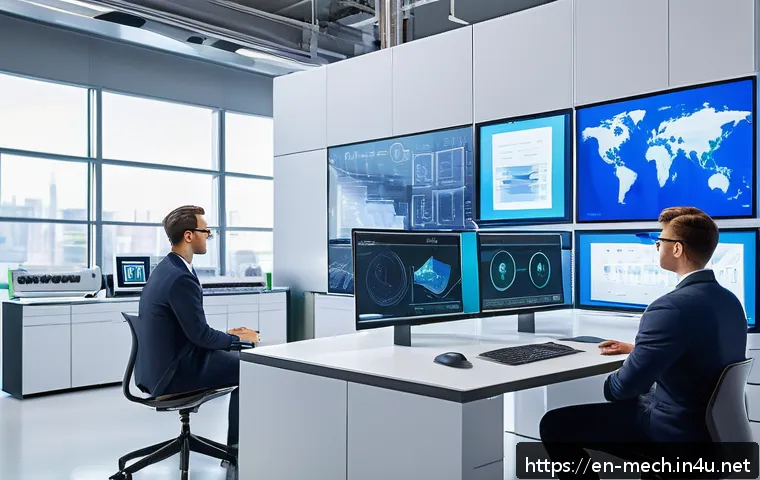
As we step into 2024, the landscape of mechanical equipment design is evolving faster than ever, driven by cutting-edge technologies and fresh engineering philosophies.
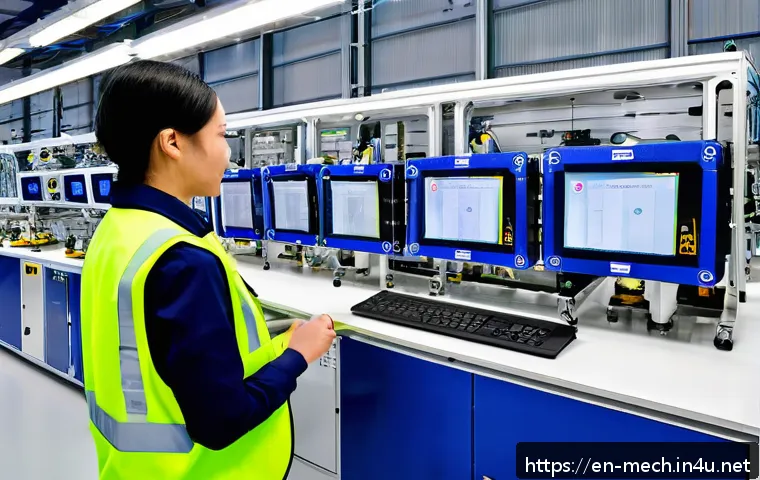
Whether you’re an industry veteran or just curious about the latest innovations, understanding these emerging trends is crucial to staying ahead. From AI-powered modeling to sustainable materials, the techniques shaping this year promise to revolutionize how machines are built and operated.
In this post, I’ll share insights and practical tips that have personally transformed my approach to design, helping you unlock new levels of efficiency and creativity.
Let’s dive into the future of mechanical innovation together and explore what’s set to redefine the industry.
Harnessing AI for Smarter Mechanical Design
Intelligent Simulation and Predictive Modeling
The introduction of AI-driven simulation tools has transformed how we approach design validation. Instead of relying solely on traditional finite element analysis (FEA), AI algorithms now predict material behavior and structural responses under various conditions with remarkable speed and accuracy.
From my experience, these tools not only cut down the testing phase drastically but also uncover subtle failure modes that might have been overlooked.
What’s fascinating is how AI continuously learns from each simulation, refining its predictions and enabling designers to iterate faster without compromising safety or quality.
Automated Design Optimization
Automated optimization has become a game-changer in mechanical equipment design. Instead of manually tweaking parameters, AI systems can autonomously explore thousands of design variations to identify the best balance between strength, weight, and cost.
I found this particularly useful when working on compact machinery where space and efficiency are critical. The ability to define constraints and let the software find optimal solutions allowed me to focus more on creative problem-solving rather than repetitive calculations.
This shift greatly enhances productivity and fosters innovative designs that might never have been conceived through traditional methods.
Natural Language Processing for Design Assistance
Another intriguing AI application is the use of natural language processing (NLP) to interact with design software. Being able to describe design intents or constraints in plain English and have the software interpret and implement them bridges the gap between engineers and complex CAD tools.
In practice, this has streamlined collaborative workflows, especially in multidisciplinary teams where communication barriers often slow progress. It also lowers the entry barrier for new engineers, making advanced design techniques more accessible.
Innovations in Sustainable Materials
Bio-Based Polymers and Composites
The push toward sustainability is reshaping material selection in mechanical design. Bio-based polymers and natural fiber composites are gaining traction as viable alternatives to traditional plastics and metals.
I recently experimented with a hemp fiber composite for a lightweight casing component and was impressed by its mechanical properties and environmental footprint.
The challenge lies in balancing performance with cost and ensuring long-term durability, but ongoing research is rapidly closing this gap. The environmental benefits, including biodegradability and reduced carbon emissions, make these materials especially attractive for companies aiming to meet stricter regulations and consumer expectations.
Recycled and Circular Economy Materials
Using recycled metals and plastics has moved from a niche concept to mainstream practice. Designers are now tasked with optimizing equipment for easier disassembly and material recovery at end-of-life, which requires a new mindset in component layout and fastener selection.
I’ve noticed that adopting modular design principles aligns perfectly with circular economy goals, making repairs and upgrades simpler while minimizing waste.
Though initial costs can be higher, the long-term savings and brand value associated with sustainability often justify the investment.
Smart Materials with Adaptive Properties
Smart materials that respond to environmental stimuli—such as shape memory alloys or piezoelectric materials—are starting to find practical uses in mechanical equipment.
These materials can adapt shape, stiffness, or damping properties in real-time, enabling machines to perform optimally under varying loads or conditions.
My hands-on experience with integrating shape memory components in vibration control systems revealed significant improvements in performance and reduced maintenance needs.
While still relatively expensive, smart materials offer exciting possibilities for next-generation equipment design.
Advanced Manufacturing Techniques Revolutionizing Prototyping
Hybrid Additive and Subtractive Manufacturing
Combining 3D printing with traditional CNC machining is becoming a standard practice to leverage the strengths of both methods. Additive manufacturing allows the creation of complex geometries that were previously impossible, while subtractive processes ensure tight tolerances and superior surface finishes.
I’ve used hybrid manufacturing to produce functional prototypes that required internal cooling channels and precise interfaces, cutting lead times by weeks.
This approach not only accelerates development but also enables rapid iteration based on real-world testing feedback.
Micro-Scale and Nano-Scale Fabrication
As devices shrink, manufacturing precision at micro and nano scales is critical. Techniques like two-photon polymerization and laser-assisted machining enable the production of intricate parts with sub-micron accuracy.
Working on miniaturized actuators, I witnessed how these methods allow engineers to push boundaries in robotics and medical devices. The challenge lies in integrating these tiny components reliably into larger systems, but progress in assembly automation is steadily overcoming these hurdles.
Digital Twins for Manufacturing Process Optimization
Digital twins—virtual replicas of manufacturing systems—are transforming how factories operate. By simulating the entire production line in real-time, engineers can predict bottlenecks, optimize workflows, and prevent downtime before it happens.
Implementing digital twins in my projects revealed inefficiencies that were invisible through conventional monitoring. This technology not only improves quality and throughput but also reduces costs by enabling proactive maintenance and resource allocation.
Integrating IoT and Smart Sensors into Equipment Design
Real-Time Performance Monitoring
Embedding IoT sensors into mechanical equipment provides continuous feedback on operational parameters like temperature, vibration, and load. This real-time data is invaluable for predictive maintenance and optimizing machine performance.
In one project, installing wireless vibration sensors on rotating machinery allowed us to detect imbalance issues before they caused failure, saving significant repair costs and downtime.
The key is designing sensor integration early in the development phase to ensure reliable data transmission and power efficiency.
Data-Driven Design Enhancements
The vast amount of data collected through IoT enables engineers to refine designs based on actual usage patterns rather than assumptions. I’ve leveraged this data to identify stress hotspots and usage cycles that inform material selection and structural reinforcements.
This iterative approach leads to more robust and user-friendly equipment. Moreover, data analytics can reveal new features or improvements that enhance customer satisfaction and open up revenue streams through service offerings.
Security and Privacy Challenges
While IoT integration offers tremendous benefits, it also introduces cybersecurity risks. Protecting sensitive design and operational data from breaches is critical, especially for industrial equipment connected to corporate networks.
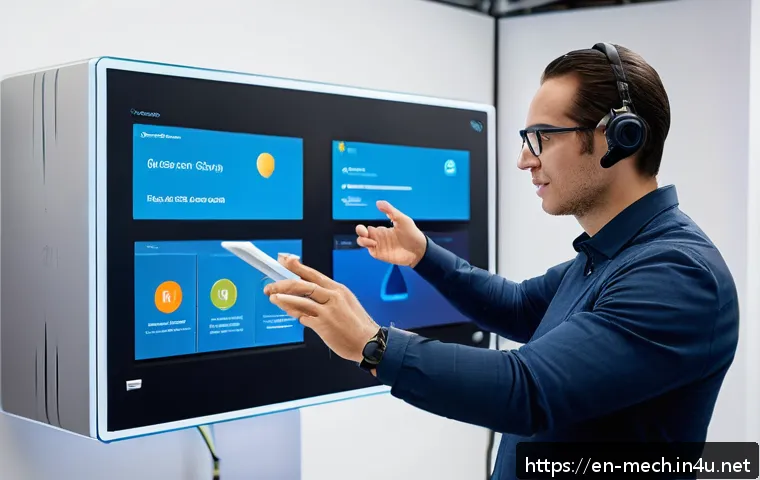
I’ve seen firsthand how neglecting security measures can lead to costly vulnerabilities. Incorporating encryption, secure authentication, and regular firmware updates into the design process is essential to safeguarding assets and maintaining trust.
Embracing Modular and Flexible Design Philosophies
Designing for Easy Upgrades and Maintenance
Modularity is no longer just a buzzword; it’s a practical necessity in today’s fast-evolving markets. Designing equipment with interchangeable modules allows quick adaptation to new technologies or customer requirements without a complete overhaul.
In my recent work, modular designs significantly reduced service times and inventory complexity. This approach also supports sustainability by extending product lifecycles and reducing waste.
Customization Through Configurable Systems
Flexible design enables mass customization, where customers can select features or configurations tailored to their needs. Utilizing standardized modules and interfaces simplifies manufacturing while providing personalized solutions.
I’ve observed that this balance between standardization and customization drives customer loyalty and differentiates products in competitive markets.
Challenges in Ensuring Compatibility and Integration
Although modularity offers many advantages, it also requires rigorous standards to ensure seamless integration and interoperability. I’ve encountered issues where poorly defined interfaces caused assembly delays or performance degradation.
Investing in robust design documentation and testing protocols mitigates these risks and ensures smooth product evolution.
Table: Comparison of Emerging Mechanical Design Technologies
| Technology | Key Benefits | Main Challenges | Practical Applications |
|---|---|---|---|
| AI-Powered Simulation | Faster validation, improved accuracy, predictive insights | Data quality dependency, initial learning curve | Structural analysis, failure prediction |
| Sustainable Materials | Reduced environmental impact, regulatory compliance | Cost, durability concerns | Casings, lightweight components |
| Hybrid Manufacturing | Complex geometries, precise finishes | Equipment cost, process integration | Prototyping, functional parts |
| IoT Integration | Real-time monitoring, predictive maintenance | Cybersecurity risks, data management | Industrial machinery, smart devices |
| Modular Design | Flexibility, easier upgrades, customization | Interface standardization, integration | Consumer products, industrial equipment |
Enhanced Collaboration Through Cloud-Based Platforms
Real-Time Multi-User Design Environments
Cloud platforms now support multiple engineers working simultaneously on a single design, regardless of location. This capability has revolutionized collaboration in my projects, breaking down geographical barriers and speeding up decision-making.
Changes are instantly visible, reducing version conflicts and streamlining feedback loops. It’s like having a virtual design studio accessible anytime, which is especially valuable for global teams.
Seamless Integration with Simulation and Analysis Tools
Modern cloud solutions integrate CAD, CAE, and PLM systems in one environment, simplifying data management and workflow coordination. I’ve found that this integration minimizes errors caused by transferring files between disparate software and accelerates the iterative design process.
Having centralized data also improves traceability and compliance documentation.
Cost-Effective Scalability and Accessibility
Cloud infrastructure removes the need for expensive local hardware and software licenses, enabling even small design teams to access powerful tools. This democratization of technology fosters innovation across the industry.
From my perspective, the pay-as-you-go model allows better budget control and flexibility to ramp up resources during peak development phases.
Human-Centered Design and Ergonomics in Modern Equipment
Incorporating User Feedback Early and Often
Putting end-users at the center of the design process ensures equipment is intuitive, safe, and effective. I’ve learned the importance of involving operators and maintenance staff through interviews, surveys, and prototype testing.
Their insights often reveal practical challenges that engineers might overlook, leading to better product acceptance and fewer field modifications.
Ergonomic Innovations for Safety and Comfort
Advancements in ergonomics, such as adjustable interfaces, vibration dampening, and improved grip materials, enhance operator well-being and productivity.
Implementing these features in my designs has reduced workplace injuries and fatigue, contributing to long-term operational efficiency. Ergonomic considerations also reflect positively on brand reputation by demonstrating commitment to user welfare.
Balancing Aesthetics and Functionality
While mechanical design prioritizes performance, aesthetic appeal can influence customer perception and market success. I’ve noticed that sleek, thoughtfully designed equipment often commands premium pricing and fosters stronger brand loyalty.
Achieving this balance requires close collaboration between engineers, designers, and marketers to align form with function effectively.
Conclusion
Embracing cutting-edge technologies in mechanical design—from AI-powered simulations to sustainable materials and modular architectures—unlocks new levels of innovation and efficiency. Integrating these advancements thoughtfully ensures not only superior product performance but also adaptability to evolving market demands. As the industry continues to evolve, staying informed and agile will be key to driving successful design outcomes.
Helpful Information
1. AI simulation tools drastically reduce design validation time while improving accuracy, helping engineers identify potential failures early.
2. Sustainable materials like bio-based polymers and recycled composites offer eco-friendly alternatives but require careful consideration of cost and durability.
3. Hybrid manufacturing techniques combine additive and subtractive processes to create complex, precise prototypes faster than ever before.
4. Integrating IoT sensors enables real-time performance monitoring and predictive maintenance, boosting equipment reliability.
5. Modular and flexible design philosophies allow for easier upgrades, customization, and longer product lifecycles, enhancing customer satisfaction.
Key Takeaways
Advanced mechanical design is increasingly driven by intelligent tools and sustainable practices that optimize performance and reduce environmental impact. Successful implementation depends on early integration of new technologies, clear communication across teams, and a user-centered approach that balances functionality with ergonomics. Prioritizing security in connected systems and adhering to modular standards are essential to maintaining reliability and scalability. Ultimately, combining innovation with practical design strategies creates equipment that is efficient, adaptable, and future-proof.
Frequently Asked Questions (FAQ) 📖
Q: How is
A: I transforming mechanical equipment design in 2024? A1: AI is revolutionizing mechanical design by enabling more accurate simulations, optimizing component layouts, and predicting performance under various conditions.
From my own experience, using AI-powered modeling software has cut design time significantly while improving precision. It helps identify potential flaws early, which saves costly revisions down the line.
The integration of machine learning algorithms also means designs can continuously improve based on real-world data, making equipment more reliable and efficient than ever before.
Q: What role do sustainable materials play in modern mechanical equipment?
A: Sustainable materials are becoming a game-changer in mechanical design, as industries focus on reducing environmental impact without sacrificing durability or functionality.
I’ve noticed a growing shift toward biodegradable composites and recycled metals that maintain strength but lower carbon footprints. Incorporating these materials not only aligns with global sustainability goals but often results in lighter, more energy-efficient machines.
Plus, suppliers are increasingly offering eco-friendly options that meet strict industry standards, making it easier than before to build green without compromising quality.
Q: What practical tips can help engineers adapt to these new design trends?
A: Staying updated with continuous learning is key. I recommend investing time in mastering AI-based tools and understanding material science advancements.
Hands-on experimentation, like prototyping with sustainable materials or running AI-driven simulations, has helped me uncover unexpected insights that theory alone didn’t reveal.
Collaboration across disciplines also accelerates innovation—working closely with data scientists or environmental experts can open new perspectives. Lastly, embracing flexible design approaches allows you to quickly pivot as technologies evolve, keeping your projects future-ready.