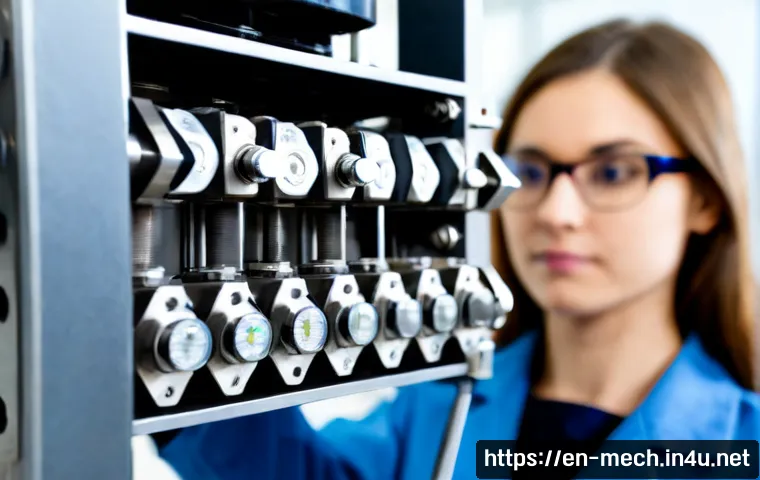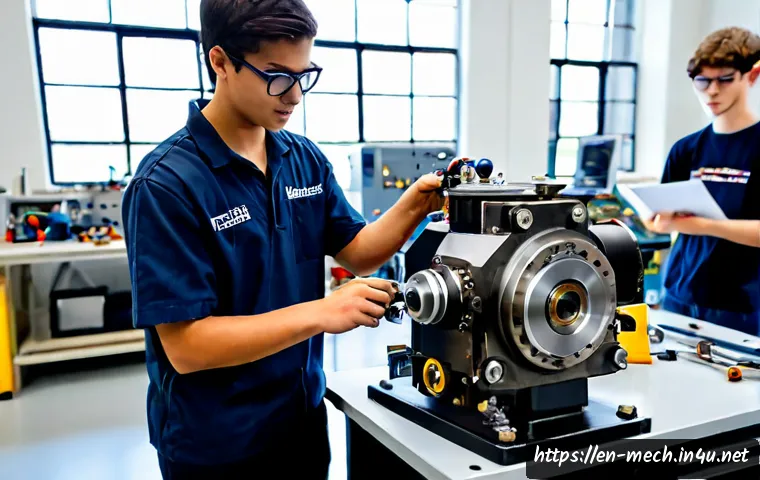
A mechanical engineering curriculum typically combines math, physics, design, materials, thermodynamics, manufacturing, and laboratory work. Compare course depth, accreditation, software access, internships, and total education costs before choosing a program.
A mechanical engineering curriculum usually combines mathematics, physics, engineering mechanics, thermal sciences, materials, manufacturing, design, and practical laboratory work. The best program is not always the one with the longest course list; it is the one that gives you the right balance of accreditation, applied projects, software access, lab experience, and career support for your goals.
Students should expect a demanding workload built around problem-solving rather than memorization alone. When comparing engineering degrees, look beyond tuition and course titles to see how students use CAD software, simulation tools, prototyping equipment, tutoring resources, and internship or co-op support. A program with stronger practical opportunities may offer better educational value, but the exact costs, licensing access, and placement options must be confirmed directly with each institution.
At a Glance
- Mechanical engineering commonly starts with calculus, physics, chemistry, programming, and engineering mechanics.
- Core study often includes statics, dynamics, thermodynamics, fluids, heat transfer, materials, machine design, and manufacturing.
- Compare hands-on design depth, laboratory access, software training, accreditation, and industry support before choosing a program.
| Comparison Area | What to Review | Why It Matters |
|---|---|---|
| Curriculum Focus | Required engineering courses, electives, design projects, and technical specializations | Shows whether the degree fits interests such as robotics, energy, automotive systems, or manufacturing. |
| Laboratory Experience | Testing labs, measurement tools, manufacturing equipment, safety training, and project access | Laboratory work helps connect equations and models to physical engineering systems. |
| Software and Computing | CAD software, simulation tools, programming instruction, data-analysis tools, and student computer access | Software skills can strengthen design work, technical portfolios, and readiness for team projects. |
| Accreditation and Requirements | Current accreditation status, credit hours, graduation rules, and course sequence | Requirements vary by institution and country, so this needs direct verification. |
| Career Preparation | Internship support, co-op options, employer connections, career services, and portfolio guidance | Practical experience and professional support can be as important as classroom content. |
| Total Education Cost | Tuition, software needs, laptop requirements, lab-related expenses, materials, and living costs | A lower tuition figure may not reflect the full cost of completing an engineering degree. |
What Students Learn in a Mechanical Engineering Degree
The Core Mix of Mathematics, Physics, Design, and Hands-On Testing
Mechanical engineering is built on a connected set of technical subjects. Students commonly begin with calculus, differential equations, physics, chemistry, and engineering mechanics. These foundation courses support later topics where students analyze forces, motion, energy, heat, fluids, materials, and manufactured components.
The curriculum is demanding because concepts build on one another. A student who is comfortable with math but avoids laboratory work may need to adjust. Likewise, a student who enjoys building things but has not prepared for physics-based problem solving may need extra support. Early tutoring, structured study groups, and a reliable engineering laptop can make the workload more manageable.
Why the Curriculum Is Broader Than Machine Design Alone
Mechanical engineering includes machine design, but it is not limited to designing moving parts. Engineers may work with thermal systems, materials, manufacturing processes, robotics, building systems, energy equipment, vehicles, aerospace components, or medical devices. That broad scope explains why the curriculum often includes both theoretical analysis and practical testing.
For example, a design decision may require more than choosing a shape for a component. It can involve material behavior, heat transfer, manufacturing limits, fluid flow, measurement methods, safety procedures, and documentation. A strong program gives students repeated chances to connect these areas instead of treating every course as isolated.
Three-Point Summary for Prospective Students
- Expect a technical foundation: math and physics are central, not side subjects.
- Expect applied work: labs, design projects, and capstone work are commonly used to connect theory with practice.
- Expect choices later: electives can help shape a path toward industries or technical interests.
Typical Course Sequence From First Year to Capstone
Foundation Courses: Calculus, Physics, Chemistry, and Programming
Early coursework commonly focuses on the tools needed for later engineering analysis. Calculus and differential equations help students model changing systems. Physics introduces motion, forces, energy, and other principles that appear throughout mechanics and thermal courses. Chemistry can support later study of materials and manufacturing-related topics.
Programming and data analysis are also increasingly relevant. Students may use code to organize calculations, work with experimental data, automate repetitive tasks, or support simulation workflows. The exact programming language and level of instruction vary, so applicants should not assume every program teaches the same tools.
Before enrolling, ask whether introductory courses include built-in academic support. This might include engineering tutoring, computing workshops, math review sessions, or guidance for students returning to school after time away from formal education.
Core Engineering Courses: Mechanics, Thermal Systems, Materials, and Manufacturing
After the foundation stage, students commonly move into core mechanical engineering subjects. These often include statics, dynamics, thermodynamics, fluid mechanics, heat transfer, materials science, machine design, and manufacturing. Each subject contributes a different way of evaluating real systems.
Statics and dynamics focus on forces and motion. Thermodynamics, fluid mechanics, and heat transfer address energy and thermal behavior. Materials science helps students understand how material selection can affect performance. Manufacturing courses introduce how designs can be made and what production constraints may matter.
Course titles can sound similar across colleges, but the actual experience may differ. One program may emphasize analysis and problem sets, while another may add more laboratory testing, design assignments, manufacturing practice, or team-based work. Review course descriptions, lab schedules, and sample project expectations where available.
Advanced Electives, Team Projects, and Senior Design Work
Later in the degree, electives can help students explore a direction without replacing the broad mechanical engineering foundation. Depending on the institution, students may find options related to robotics, automotive systems, energy, aerospace, manufacturing, or other engineering applications. Availability is not universal, so confirm the current elective list rather than relying on an older catalog.
Many programs also include team projects and a capstone project. These experiences can involve design decisions, testing, technical documentation, presentations, and collaboration. A capstone is especially useful when it produces work a student can discuss in interviews or include in a portfolio, although the project format and assessment rules vary by school.
Comparing Programs: Labs, Software, Accreditation, and Total Cost
What to Look for Beyond a Course Catalog
A course catalog is a useful starting point, but it rarely shows the full student experience. Look for evidence of applied design depth: laboratory courses, project-based assignments, access to fabrication or prototyping resources, and structured opportunities to use engineering software.
Ask how often students work with real measurements rather than only theoretical examples. Find out whether laboratory access is tied to specific classes, open project periods, or limited booking systems. Also ask whether students receive formal laboratory safety instruction before using equipment.
Accreditation is another major comparison point. Requirements and recognition can differ by country and institution. Do not assume a program has a particular status because it uses a familiar degree title. Check the institution’s current official information and review the graduation requirements that apply to your entry year.
When Stronger Lab Facilities or Co-Op Opportunities May Justify Higher Tuition
A higher-cost program may be worth considering when it provides value that is difficult to recreate elsewhere. Examples may include stronger accreditation, specialized facilities, meaningful co-op structures, employer partnerships, or broad access to design and manufacturing resources. This is not a guarantee of a better outcome, but it can change the learning experience.
Compare the total educational value, not tuition alone. Consider whether students need to purchase their own CAD license, high-performance laptop, lab supplies, or project materials. Ask whether software is available through campus systems, whether remote access exists, and whether technical support is included.
For families planning a budget, separate confirmed costs from possible costs. Tuition and fees should come from official sources. Other items, such as commuting, housing, personal computing upgrades, and project materials, depend on individual circumstances and should be planned carefully rather than guessed.
Questions to Ask About CAD, Simulation, Prototyping, and Computing Access
- Which CAD software and simulation tools are used in required courses?
- Are software licenses included, available in computer labs, or provided through remote access?
- What laptop specifications are recommended for engineering coursework, and are campus computers available?
- Can students access prototyping, fabrication, or measurement equipment for course projects?
- Are there workshops for CAD training, programming, simulation, or technical documentation?
- What safety training and booking rules apply to laboratories and equipment?
Official program pages and admissions materials are the best place to verify current facilities, software access, and student requirements.
Practical Skills That Make the Curriculum More Valuable
CAD, Finite Element Analysis, Coding, and Technical Documentation
Modern mechanical engineering coursework increasingly benefits from digital tools. CAD helps students communicate designs visually and prepare models for analysis or manufacturing. Simulation tools, including finite element analysis where available, can help students examine how a design may respond to loads or other conditions. These tools are valuable when paired with sound engineering judgment, not used as a substitute for fundamentals.
Coding and data-analysis skills can also be useful for organizing measurements, solving repeat calculations, and working with experimental results. Students do not need to master every software package before starting a degree. However, a willingness to learn technical tools is a real advantage.
Technical documentation matters just as much. Engineers need to explain assumptions, report results, describe test methods, and communicate design choices to teammates and other stakeholders. Look for programs that require written reports and presentations alongside calculations.
Manufacturing Processes, Measurement Tools, and Laboratory Safety
A design becomes more practical when students understand how it can be made, measured, tested, and improved. Manufacturing coursework may introduce production methods and the constraints that affect design decisions. Laboratory courses may expose students to measurement tools, test procedures, and methods for recording results.
Safety is not an optional detail. Students should understand the laboratory rules, equipment training process, supervision model, and responsibilities associated with hands-on work. If a program emphasizes practical labs, ask how it prepares students before they begin using equipment.

Communication and Project-Management Skills for Engineering Teams
Engineering work is often collaborative. Team projects can require planning, task allocation, design reviews, schedules, presentations, and written deliverables. These skills are especially useful in capstone projects, internships, and multidisciplinary work environments.
When comparing degree programs, see whether group work is simply mentioned or actually built into the curriculum. A program with structured team projects may help students practice the communication habits that technical workplaces expect, even though individual experiences will vary.
Common Planning Mistakes and How to Avoid Them
Underestimating the Math and Physics Workload
The most common planning error is treating math and physics as introductory hurdles that disappear later. In mechanical engineering, they remain active tools throughout the curriculum. Review your current readiness honestly. If needed, refresh algebra, trigonometry, calculus fundamentals, and physics concepts before classes begin.
Do not wait until a difficult semester to look for help. Explore available tutoring, office hours, peer study groups, and academic support early. Small gaps can become larger when several technical courses are taken at the same time.
Choosing Electives Without Considering Target Industries
Electives are an opportunity, not just a way to fill credits. Students interested in robotics may value different projects and tools than students drawn to energy systems, automotive work, aerospace, or manufacturing. Start by identifying the types of problems you would like to solve, then compare how each program supports that direction.
At the same time, avoid narrowing too quickly. Mechanical engineering is broad, and a solid foundation in mechanics, thermal sciences, materials, and design can remain useful across industries.
Ignoring Internship, Co-Op, Portfolio, and Networking Opportunities
Coursework is important, but practical experience can make learning more concrete. Check what career services actually provide: internship listings, co-op guidance, employer events, resume reviews, portfolio support, or career-preparation workshops. Do not assume that an internship is paid, guaranteed, or available to every student unless the institution confirms it.
Build a simple record of projects as you progress. Save non-confidential design summaries, drawings, test results, reports, and reflections on what you learned. A clear portfolio can help show how classroom knowledge was applied.
Choosing a Program: Final Comparison Checklist
Match the Curriculum to Robotics, Energy, Manufacturing, Automotive, or Aerospace Interests
Start with the required curriculum, then look at electives and project opportunities. A broad mechanical engineering degree can support many directions, but some programs may offer stronger exposure to particular areas. Confirm whether the courses, labs, and faculty-supported projects that interest you are currently available.
Compare Total Educational Value Rather Than Tuition Alone
Tuition matters, but it is only one part of the decision. Compare accreditation, course structure, laboratory access, CAD and simulation training, computing support, academic tutoring, project facilities, and career services. A lower-cost option may be a strong fit if it provides the resources you need; a higher-cost option may deserve consideration if its added opportunities are clear and relevant.
A Decision Checklist for Students and Families
Check the curriculum: Does it cover the engineering foundations and practical areas you expect?
Check the learning environment: Are laboratories, safety training, CAD tools, simulation software, and computing resources accessible to students?
Check the career path: What internship, co-op, project, portfolio, and career-service support is described officially?
Check the full budget: Review tuition, required fees, software, laptop needs, materials, and personal living costs.
Check the details directly: Official program pages are the right place to confirm accreditation, admission rules, course availability, and current student resources.
For CAD training, engineering laptops, tutoring options, and career-preparation services, review the official program details and compare what is included before making a commitment.
Conclusion
A mechanical engineering curriculum is designed to develop both analytical and practical skills. Students commonly move from math and science foundations into mechanics, thermal systems, materials, manufacturing, design, laboratories, and team projects. The right choice depends on more than a familiar degree name.
Compare the quality of applied learning, software and lab access, accreditation status, and career support alongside total cost. A careful comparison can help students choose a program that fits both their academic readiness and their longer-term engineering interests.
Useful Information to Know
First-year readiness checklist: refresh core math skills, review basic physics, become comfortable using a computer for technical work, plan time for problem sets and labs, and create a realistic education budget.
Helpful mindset: mechanical engineering rewards steady practice. Understanding one topic well often makes later courses easier to approach.
Portfolio habit: keep organized records of project work, lab reports, technical drawings, and presentations when permitted.
Important Notes
Course sequences, credit requirements, accreditation status, tuition, software licenses, laboratory access, and internship support vary by institution and country. This overview describes common curriculum patterns, not the requirements of a specific college. Always verify current details through official institutional sources before applying, enrolling, or making financial decisions.
Frequently Asked Questions
Q1. What courses are usually included in a mechanical engineering curriculum?
A1. Mechanical engineering programs commonly build on calculus, differential equations, physics, chemistry, and engineering mechanics. Core areas often include statics, dynamics, thermodynamics, fluid mechanics, heat transfer, materials science, machine design, and manufacturing, along with labs, projects, and capstone work.
Q2. Is a more expensive mechanical engineering program worth the cost?
A2. It may be worth considering if the additional cost is connected to meaningful value, such as stronger accreditation, specialized laboratories, co-op opportunities, employer partnerships, or better access to engineering software and project facilities. Compare the full educational value and confirm all costs and services directly with each program.
Q3. Which software skills should mechanical engineering students learn before graduation?
A3. CAD, simulation tools, programming, and data-analysis tools are increasingly relevant in mechanical engineering coursework. The most useful combination depends on the curriculum and target industry, so students should prioritize the tools used in their courses while building strong fundamentals in design, analysis, and technical documentation.