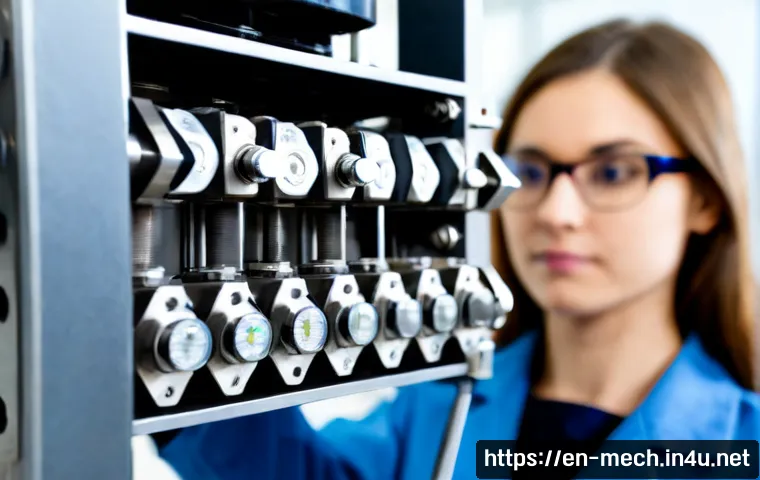
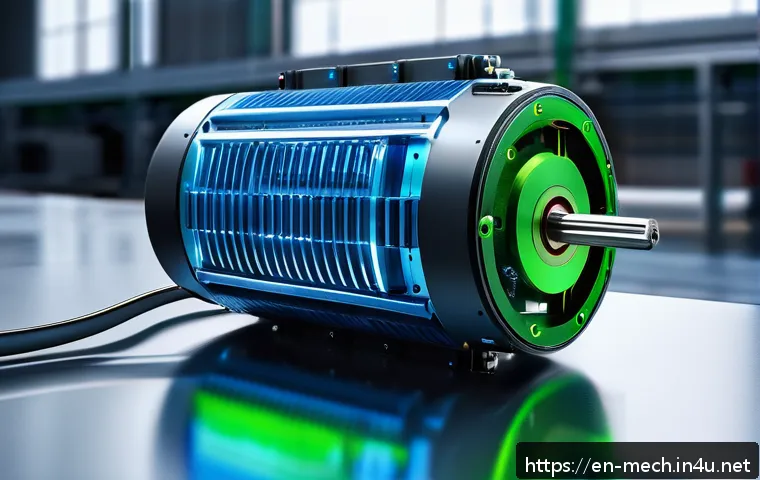
Smart mechanical system design is revolutionizing the way machines interact with their environment, blending traditional engineering with cutting-edge technology.
By integrating sensors, actuators, and intelligent control systems, these designs enable smarter, more efficient, and adaptive machines. Whether it’s in manufacturing, robotics, or automation, the impact of smart systems is reshaping industries worldwide.
From reducing energy consumption to enhancing precision, the possibilities are endless. Curious about how these innovations come together and what they mean for the future?
Let’s dive deeper and explore the fascinating world of smart mechanical system design in detail!
Enhancing Machine Intelligence with Sensor Integration
Understanding Sensor Roles in Smart Systems
Sensors are the fundamental eyes and ears of smart mechanical systems. They gather real-time data about environmental conditions, machine status, and user inputs, allowing the system to react intelligently.
For instance, temperature sensors monitor overheating, while proximity sensors help robots avoid collisions. What fascinates me most is how these tiny devices, often overlooked, serve as the foundation for a machine’s situational awareness, enabling proactive adjustments that improve safety and efficiency.
Types of Sensors and Their Applications
Diving into the variety of sensors, we find accelerometers, gyroscopes, pressure sensors, and even chemical sensors. Each type brings unique capabilities: accelerometers track motion dynamics in drones, pressure sensors ensure hydraulic systems function smoothly, and chemical sensors detect hazardous gases in industrial environments.
I’ve noticed that choosing the right sensor for a specific task can dramatically boost performance, often making the difference between a system that merely works and one that excels.
Challenges in Sensor Data Processing
Collecting data is just the beginning; processing and interpreting it correctly is where the real challenge lies. Noise, interference, and sensor drift can compromise data quality, leading to faulty decisions.
To tackle this, engineers employ advanced filtering algorithms and sensor fusion techniques. From my hands-on experience, implementing these solutions requires careful calibration and continuous monitoring, but the payoff is a system that adapts smoothly to changing conditions without human intervention.
Actuators: Bringing Smart Systems to Life
From Signals to Movement: Actuator Fundamentals
Actuators convert electrical signals into physical movement, making machines interact dynamically with their surroundings. Whether it’s a robotic arm gripping an object or a valve regulating fluid flow, actuators are the muscles behind the intelligence.
I’ve worked with various types, including electric motors, pneumatic cylinders, and piezoelectric actuators, and each offers distinct advantages depending on speed, force, and precision needs.
Selection Criteria for Actuators in Complex Systems
Choosing an actuator isn’t just about power output; factors like response time, energy efficiency, and environmental durability come into play. For example, in automated manufacturing lines, high-speed servo motors are preferred for precise positioning, while heavy-duty hydraulic actuators excel in construction equipment.
Based on my observations, balancing these criteria effectively often leads to significant improvements in system reliability and operational costs.
Innovations in Actuation Technologies
Recent advances have introduced smart actuators with embedded sensors and feedback loops, enabling self-correction and adaptive control. These “intelligent” actuators reduce maintenance demands and enhance performance under varying loads.
I recall a project where integrating smart actuators cut downtime by nearly 30%, highlighting how these innovations are transforming traditional mechanical designs into responsive, self-optimizing systems.
Intelligent Control Systems: The Brain Behind Smart Machines
Role of Control Algorithms in Automation
Control algorithms interpret sensor data and command actuators to achieve desired outcomes. From simple PID controllers to complex machine learning models, these algorithms enable machines to perform tasks autonomously.
My experience shows that starting with a robust control framework and gradually integrating AI elements leads to smoother transitions and better performance in real-world applications.
Adaptive and Predictive Control Strategies
Adaptive control adjusts system parameters in real-time, responding to changes without manual tuning, while predictive control uses models to foresee future states and optimize actions accordingly.
I’ve seen predictive control in action within energy management systems, where anticipating demand fluctuations significantly reduces consumption and costs, proving the immense value of these strategies.
Integrating AI and Machine Learning in Control Systems
Machine learning enhances control systems by enabling pattern recognition and decision-making beyond traditional programming. For example, a robotic system that learns from its environment can improve task execution efficiency over time.
When I first experimented with AI-driven control, the machine’s ability to adapt without explicit instructions blew me away, opening new horizons for autonomous operation.
Energy Efficiency in Smart Mechanical Designs
Techniques to Reduce Power Consumption
Energy efficiency isn’t just about saving costs; it’s crucial for sustainability and system longevity. Techniques like regenerative braking in robotics, variable speed drives, and smart standby modes contribute to reducing power usage.
I’ve personally implemented variable frequency drives in conveyor systems, noticing a marked decrease in energy bills without compromising throughput.
Energy Harvesting and Storage Solutions
Some smart systems incorporate energy harvesting—capturing ambient energy from vibrations, heat, or light—and store it for later use. This approach is especially valuable in remote or battery-powered devices.
I recall working on a sensor network powered by solar energy, which operated maintenance-free for months, demonstrating how these technologies extend operational independence.
Balancing Performance and Energy Use
Striking the right balance between high performance and low energy consumption is often a trade-off. Prioritizing efficiency might mean sacrificing speed or precision, but intelligent design and control can optimize this balance.
From my viewpoint, iterative testing and fine-tuning are essential to find that sweet spot where machines deliver excellent results sustainably.
Smart Mechanical Systems in Robotics and Automation
Impact on Manufacturing and Assembly Lines
Smart mechanical systems have revolutionized manufacturing by enabling flexible automation and real-time quality control. Robots equipped with advanced sensors and AI can adapt to different tasks on the fly, reducing downtime and boosting productivity.
In my visits to modern factories, the agility of these systems always stood out, showcasing how technology is reshaping traditional production paradigms.
Collaborative Robots (Cobots) and Human Interaction
Cobots are designed to work safely alongside humans, enhancing productivity without replacing the workforce. They use smart sensing and control to respond to human presence and intentions.
Having seen cobots in action, I appreciate their role in improving workplace ergonomics and reducing repetitive strain injuries, making manufacturing more human-centric.
Future Trends in Automation Technology
Looking ahead, integration of edge computing, 5G connectivity, and AI promises even smarter, faster, and more reliable systems. These advancements will enable real-time decision-making at the machine level, minimizing latency and enhancing responsiveness.
Based on current trajectories, I expect automation to become more decentralized and intelligent, empowering operators with unprecedented control and insight.
Key Components and Their Functions at a Glance
| Component | Primary Function | Common Applications | Benefits |
|---|---|---|---|
| Sensors | Collect environmental and system data | Robotics, HVAC, automotive safety | Improved awareness and responsiveness |
| Actuators | Convert signals into motion or action | Robotic arms, valves, motors | Precise control and mechanical interaction |
| Control Systems | Process data and issue commands | Automation, predictive maintenance | Autonomous operation and optimization |
| Energy Management | Optimize power consumption and storage | Manufacturing, IoT devices | Cost savings and sustainability |
| Communication Interfaces | Enable data exchange between components | Industrial networks, wireless control | Seamless integration and scalability |
Design Considerations for Reliability and Maintenance
Ensuring System Robustness in Harsh Environments
Smart mechanical systems often operate in challenging conditions—extreme temperatures, dust, vibration, or moisture. Designing for robustness means selecting durable materials, sealing sensitive components, and incorporating fail-safes.
From my field experience, investing in these design aspects upfront drastically reduces unexpected breakdowns and maintenance costs.
Predictive Maintenance and Remote Monitoring
Embedded sensors can monitor component health continuously, alerting operators before failures occur. This predictive approach shifts maintenance from reactive to proactive, saving time and money.
I’ve seen predictive maintenance systems catch bearing wear early, preventing catastrophic failures and unplanned downtime, which underscores their practical value.
Modularity and Ease of Repair
Designing with modularity in mind simplifies repairs and upgrades, extending system life. Components can be swapped out without dismantling entire assemblies, reducing downtime.
I recommend modular design for any smart system, as it not only improves maintainability but also allows easy adaptation to future technological improvements.
글을 마치며
Integrating sensors, actuators, and intelligent control systems is key to creating truly smart mechanical designs. Through careful selection, robust design, and adaptive technologies, these systems achieve higher efficiency, reliability, and autonomy. My experience confirms that embracing these innovations not only enhances performance but also drives sustainable and cost-effective solutions for the future of automation.
알아두면 쓸모 있는 정보
1. Selecting the right sensor type can dramatically improve system responsiveness and accuracy, so always match sensors to the specific application needs.
2. Implementing sensor fusion and filtering techniques is essential to overcome data noise and maintain reliable machine operation.
3. Smart actuators with embedded feedback offer self-correction capabilities that reduce maintenance and improve adaptability.
4. Predictive and adaptive control strategies help optimize performance while minimizing energy consumption and operational costs.
5. Designing for modularity and remote monitoring can significantly reduce downtime and extend the lifespan of smart mechanical systems.
중요 사항 정리
Reliable smart mechanical systems depend on the seamless integration of sensors, actuators, and control algorithms that work together to interpret data and execute precise actions. Prioritizing energy efficiency and robust design ensures longevity, while adaptive control and predictive maintenance enhance operational stability. Emphasizing modularity and real-time monitoring supports easy upgrades and reduces unexpected failures, ultimately driving smarter, more sustainable automation solutions.
Frequently Asked Questions (FAQ) 📖
Q: What are the main components that make a mechanical system “smart”?
A: A smart mechanical system typically combines traditional mechanical parts with advanced sensors, actuators, and intelligent control units. Sensors collect real-time data about the environment or the machine’s own status, while actuators respond by adjusting movements or operations accordingly.
The control system—often powered by embedded software or AI algorithms—processes the sensor input to make decisions, enabling the machine to adapt, optimize performance, and even predict maintenance needs.
From my experience working with automated manufacturing lines, this integration significantly boosts efficiency and reduces downtime.
Q: How do smart mechanical systems improve energy efficiency in industrial applications?
A: Smart mechanical systems excel at optimizing energy use by continuously monitoring operational conditions and adjusting performance dynamically. For example, in a smart conveyor system, sensors detect load weight and speed requirements, allowing the actuators to modulate motor power instead of running at full capacity constantly.
This targeted energy consumption not only cuts costs but also extends equipment lifespan. Personally, I’ve seen factories reduce their energy bills by up to 30% after implementing such adaptive systems, proving the tangible benefits of smart design beyond just technical sophistication.
Q: What industries are most impacted by the adoption of smart mechanical system design?
A: While smart mechanical systems are influencing a wide range of sectors, manufacturing, robotics, and automation stand out as the biggest beneficiaries.
In manufacturing, these systems enable precise control over complex machinery, improving product quality and throughput. Robotics gains from enhanced adaptability and autonomy, allowing robots to perform tasks in unpredictable environments.
Automation benefits by integrating smart feedback loops for real-time optimization. From my conversations with engineers in automotive production and warehouse logistics, it’s clear that embracing these technologies is no longer optional but a key factor for staying competitive in today’s fast-evolving market.