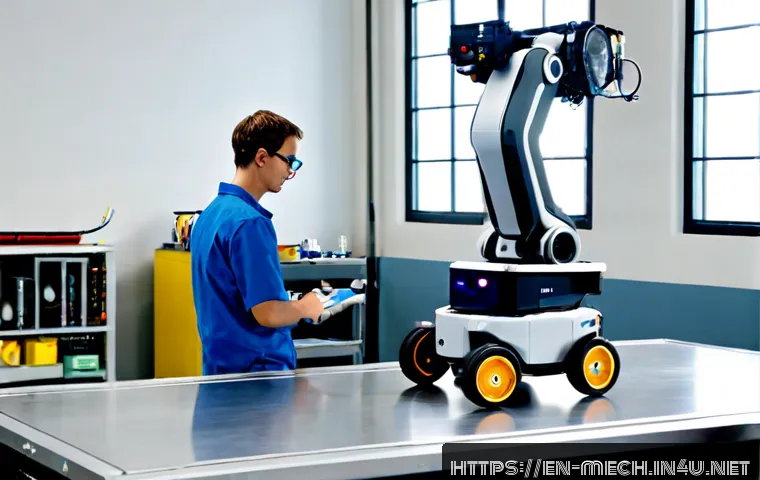
The best autonomous robot platform is the one that matches the payload, floor or terrain, route complexity, uptime target, and safety needs of the actual job.
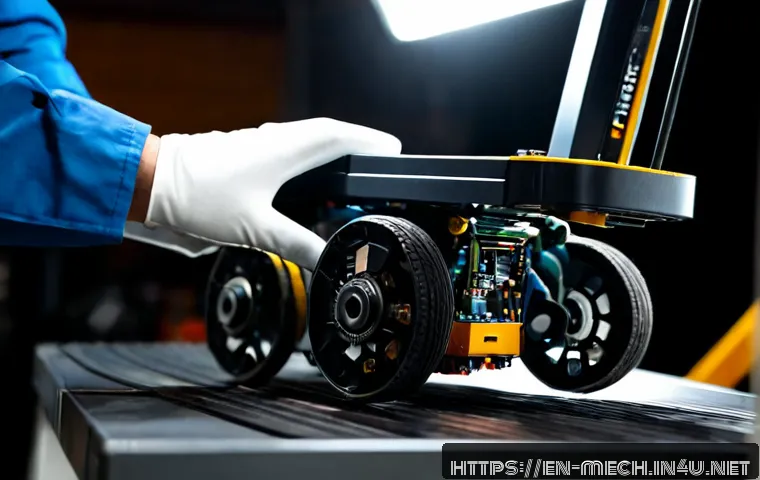
A low-cost DIY base can suit early experiments, while a modular research platform or commercial AMR may offer better value when integration, support, fleet management, and reliable operation matter.
Before comparing suppliers or components, separate prototype goals from production automation requirements. Mechanical design affects traction, stability, sensor performance, battery access, and maintenance workload.
Navigation software is important, but it cannot fully correct a poor wheel choice, unstable payload position, or blocked sensor view. A practical comparison should include integration services, charging infrastructure, software access, and service support—not only the initial platform purchase.
At a Glance
- DIY mechanical bases can fit learning, proof-of-concept work, and highly custom experiments.
- Modular research platforms are useful when teams need accessible software, replaceable components, and repeatable testing.
- Commercial AMRs can be the stronger option when uptime, safety validation, fleet coordination, and deployment support are priorities.
| Platform Type | Typical Integration Effort | Support Level | Scalability | Main Cost Drivers |
|---|---|---|---|---|
| DIY mechanical base | High | Team-dependent | Depends on internal engineering capacity | Mechanical parts, sensors, software development, testing |
| Modular research robot | Moderate | Varies by platform and supplier | Suitable for repeatable research and pilot work | Sensor packages, compute hardware, accessories, support |
| Commercial AMR | Lower for standard applications, but site work remains necessary | Usually includes more structured service options | Designed for broader deployment and fleet management | Integration services, mapping, charging, fleet software, maintenance |
What an Autonomous Robot Must Solve Before It Can Operate Reliably
Match the Platform to the Task, Environment, and Uptime Target
An autonomous mobile robot is more than a rolling chassis. It typically combines a mechanical chassis, drive system, power system, sensors, onboard computing, and navigation software. Each part must work within the operating environment.
Start with the task: What payload will move? What route will the robot follow? Does it need to operate around people, equipment, doors, ramps, or uneven surfaces? A platform that works well in a controlled lab may not be appropriate for continuous material movement in an active facility.
The Mechanical Systems Behind Mobility, Stability, and Payload Control
Platform selection should account for payload rating, floor conditions, slope limits, turning radius, and duty cycle. These factors influence motor demand, wheel selection, chassis stiffness, and battery use. A payload positioned too high or too far from the center can reduce stability, especially during turning or braking.
Mechanical access also matters. Batteries, wheels, sensors, and drive components should be reachable for inspection and repair. A robot that is difficult to service can create avoidable downtime later.
Why Navigation Software Cannot Compensate for Poor Chassis or Sensor Design
Navigation software can help a robot localize and plan routes, but it cannot eliminate every mechanical limitation. Poor traction, excessive vibration, sensor blockage, or an unstable center of gravity can reduce operational reliability. Treat the robot as one system rather than buying a chassis first and solving the rest afterward.
Compare Robot Platform Types Before Choosing a Build or Supplier
DIY Mechanical Base Versus Modular Research Robot Versus Commercial AMR
A DIY base gives engineering teams maximum design freedom. It can be a practical route for students, research teams, and applications with unusual payload interfaces. The tradeoff is that the team assumes responsibility for mechanical design, electronics, sensor integration, navigation behavior, testing, and maintenance.
A modular research platform can reduce early mechanical work while preserving access to sensors, onboard computing, and software development. This option can be useful when the main objective is autonomy research rather than chassis fabrication.
A commercial AMR may be more appropriate for facility automation where repeatable operations, remote monitoring, charging coordination, and fleet-management software are important. A standard platform does not remove the need for site review, however.
Compare Payload, Terrain, Software Access, Support, and Scaling Potential
Do not compare autonomous robot platforms only by advertised payload or battery capacity. Ask how the platform handles your floor, slope, route width, load position, speed expectations, and expected duty cycle. Also review software access: a team may need APIs, sensor data access, mapping tools, remote diagnostics, or integration options for facility systems.
Support can be a major selection factor. Documentation, spare-parts availability, repair procedures, and service response all affect the practical value of an enterprise robot platform.
When Integration Services or a Turnkey Deployment Provide Better Value
Integration services may be worth evaluating when the project involves facility mapping, charging locations, safety reviews, workflow changes, or multiple robots. A turnkey deployment can reduce internal coordination work, but suitability still depends on the layout, operating process, and local requirements.
When uptime and safety validation matter, request a deployment assessment rather than relying only on a specification sheet.
Mechanical Design Decisions That Affect Performance and Cost
Wheels, Tracks, Suspension, Center of Gravity, and Floor Conditions
Wheel type, suspension, and chassis clearance should match the surface. Indoor floors may favor a different setup from outdoor paths with debris, uneven ground, or changing traction. Tracks may be considered for certain terrain, but they also change maneuverability, maintenance needs, and energy demand.
Check whether the robot can turn safely within the available route. A tight turning radius can be useful, but it must not compromise payload stability or create unnecessary tire wear.
Payload Mounting, Actuator Selection, and Vibration Management
Payload mounting is not just a bracket design issue. It affects the robot’s center of gravity, vibration behavior, sensor visibility, and access to charging or maintenance points. If the robot uses actuators for lifting, handling, or docking, the mechanical loads and motion sequence should be reviewed with the complete operating cycle in mind.
Battery Placement, Charging Access, Thermal Concerns, and Serviceability
Battery capacity alone does not determine runtime. Payload, driving speed, terrain, onboard compute load, and charging behavior can all affect real operation. Battery placement can also influence stability and service access. Plan charging locations around traffic flow, robot access, and the intended duty cycle rather than treating charging as an afterthought.
Sensors, Safety, and Integration Mistakes to Avoid
Sensor Placement Issues Caused by Blind Spots, Vibration, and Contamination
LiDAR, cameras, ultrasonic sensors, wheel encoders, and inertial sensors may serve different navigation and safety functions. Their placement should account for blind spots, vibration, changing light, dust, and possible obstruction by the payload. A clean sensor diagram can still perform poorly if the mounted system does not reflect real working conditions.
Separate Navigation Sensing From Obstacle Detection and Operational Safety
A sensor used for localization is not automatically sufficient for obstacle detection or operational safety. Safety needs depend on the robot task, operating speed, workspace access, and interaction with people and equipment. Review the complete use case instead of assuming that a sensor list guarantees safe behavior.
Test Routes, Edge Cases, Emergency Stops, and Human-Robot Interaction Before Rollout
Test normal routes and difficult cases: narrow aisles, changed layouts, temporary obstructions, loading zones, ramps, and human movement. Verify emergency-stop behavior and define how operators should respond when the robot stops, loses its route, or needs manual recovery. Testing should happen before wider fleet deployment, not after workflows depend on the robot.
Deployment Paths for Labs, Warehouses, and Outdoor Operations
Research and Education: Prioritize Modularity, Documentation, and Repair Access
For labs and teaching environments, modularity can be more valuable than a highly optimized production design. Teams benefit from accessible wiring, replaceable sensors, clear mechanical documentation, and software interfaces that support experimentation.
Indoor Material Movement: Prioritize Uptime, Fleet Coordination, and Facility Compatibility
Warehouse and facility automation often introduces fleet-management requirements such as charging coordination, traffic management, remote monitoring, and maintenance planning. The robot must also fit the physical facility: route width, floor condition, docking areas, doors, and shared workspaces all matter.
Outdoor Inspection or Service Work: Prioritize Traction, Weather Protection, and Communications
Outdoor operation can require substantially different enclosure, traction, sensing, and environmental-protection design. Communications coverage should be reviewed along the operating route. Do not assume that an indoor platform will maintain the same navigation reliability outdoors without targeted testing.
Selection Criteria and Comparison Summary
Before choosing an autonomous robot platform, compare these decision points:
- Payload and mounting: Confirm load position, size, stability, and handling requirements.
- Terrain and route: Review floor conditions, slopes, turning space, obstacles, and environmental exposure.
- Runtime and charging: Evaluate the full duty cycle, not battery capacity alone.
- Autonomy and sensors: Check navigation, obstacle detection, sensor placement, and software access.
- Support and lifecycle cost: Include mapping, integration, charging infrastructure, spare parts, testing, training, and maintenance planning.
Compare the upfront purchase cost with the integration work required to make the robot useful in its real environment. Official product pages and deployment documentation are the right places to review available sensor packages, fleet-management software, service coverage, and platform-specific conditions.
Final Thoughts
Autonomous robot selection is a mechanical engineering and operations decision, not only a software purchase. The right choice depends on the work the robot must perform consistently, not on the longest feature list. Build internally when customization and learning are central goals. Consider a modular platform or commercial AMR when deployment speed, support, safety review, and scalable operations carry more weight.
Useful Information to Keep in Mind
Prototype success does not automatically prove production readiness. Keep a record of route conditions, payload changes, charging behavior, maintenance events, and sensor issues during testing. These details make later platform comparisons more realistic and help identify whether a mechanical change, software adjustment, or integration service is needed.
Important Considerations
Exact platform prices, implementation schedules, operating costs, certification needs, and service terms vary by supplier, country, facility, and integration scope. Sensor performance and navigation reliability should be validated in the intended environment. Confirm local safety requirements and application-specific obligations before deployment around workers, equipment, or public-access areas.
Frequently Asked Questions
Q1. Is it cheaper to build an autonomous robot or buy a commercial mobile robot platform?
A1. A DIY robot may reduce the initial platform cost for some projects, but the full cost can include engineering time, sensor integration, software work, testing, spare parts, charging setup, and maintenance. A commercial platform may offer more deployment support, but its value depends on the application and required uptime.
Q2. Which mechanical specifications matter most when selecting an autonomous robot for warehouse use?
A2. Focus on payload rating, load position, floor conditions, slope limits, turning radius, wheel and drive design, duty cycle, battery access, and charging compatibility. Facility layout and interaction with people and equipment are also important.
Q3. What should a team test before deploying an autonomous robot around workers?
A3. Test normal routes, narrow areas, obstacles, layout changes, emergency stops, manual recovery, sensor blind spots, and human-robot interaction. The required safety approach depends on the task, speed, workspace access, and local requirements.