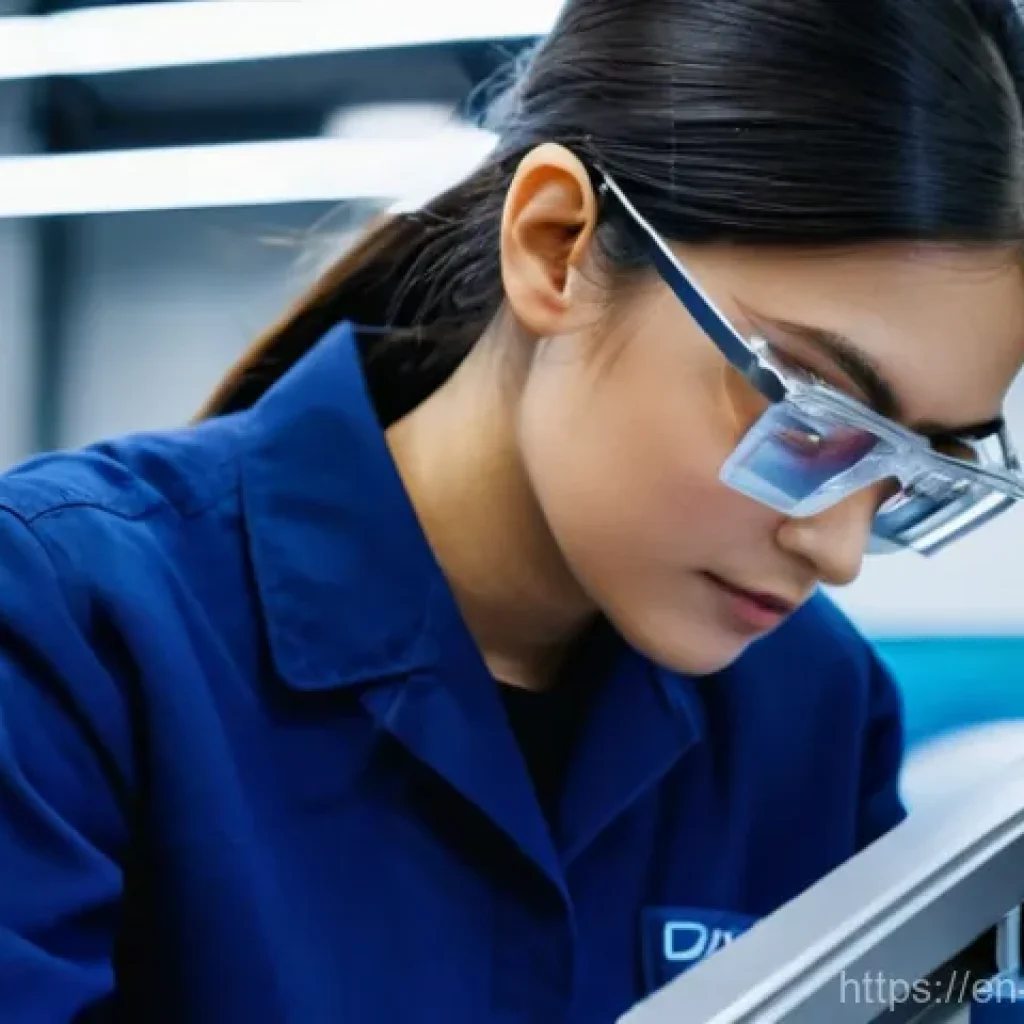
Mechanical engineering, at its core, is all about bringing ideas to life, transforming raw materials into the intricate components that power our world.
And when we talk about precision, efficiency, and sheer ingenuity in manufacturing, we’re often talking about machining systems. Seriously, if you’ve ever marveled at a perfectly engineered car engine part or a delicate medical device, you’ve witnessed the magic of these systems firsthand.
It’s a field that’s always pushing boundaries, blending traditional craftsmanship with cutting-edge tech. Lately, I’ve been fascinated by how rapidly this sector is evolving.
It’s not just about turning metal anymore; we’re seeing incredible shifts with AI and machine learning taking center stage, making these systems smarter, more adaptive, and astonishingly precise.
Imagine machines that can literally “learn” from every cut, predicting issues before they even arise and optimizing performance on the fly. Then there’s the growing focus on sustainability—think energy-efficient processes and smart waste reduction, which are becoming non-negotiable for modern manufacturers.
This isn’t just theory; these innovations are already impacting factory floors, reducing costs, and boosting quality in ways we could only dream of a few years ago.
It’s a dynamic space, constantly innovating to meet the demands of an ever-changing world. Ready to uncover the exciting details of how mechanical engineering and machining systems are shaping our future?
Let’s dive in below and get the full picture!
The Unseen Architects: How Precision Machining Powers Our Lives
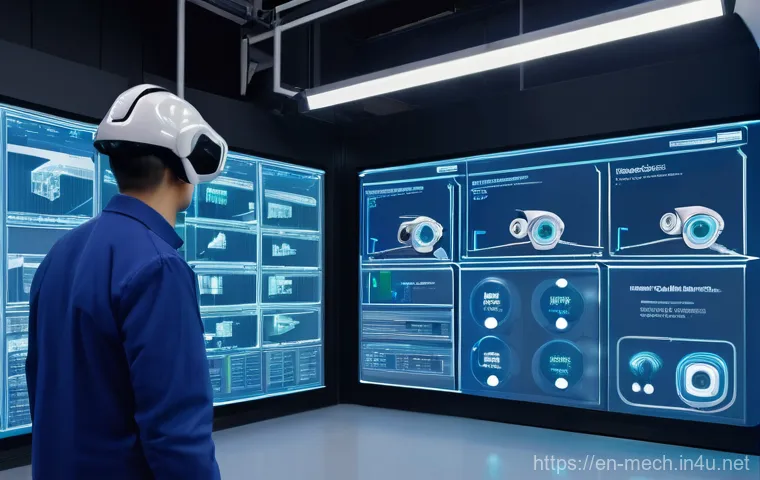
You know, it’s easy to take for granted all the incredible things around us, but if you stop and think about it, almost everything we touch, use, or rely on has been shaped, cut, or formed by some kind of machining system. Seriously, from the smartphone in your hand to the car you drive, the complex medical devices keeping people healthy, or even the aerospace components that send us soaring through the sky – it all starts with precision. I remember once visiting a factory where they were making tiny, intricate parts for a medical implant, and the sheer level of detail and accuracy was breathtaking. It’s not just about brute force; it’s about art meeting science, turning raw materials into components with tolerances so tight, they’re almost unbelievable. This foundational work is what allows for the complex assemblies and innovative products that define our modern world. Without this meticulous process, our dreams of advanced technology would remain just that – dreams. It’s truly the backbone of global manufacturing and a testament to human ingenuity.
More Than Just Metal: The Everyday Impact
When I talk about machining, people often picture gritty workshops and sparks flying. While that’s certainly part of it, the real magic happens in the extreme precision and repeatable accuracy that these systems deliver, impacting our daily lives in ways we might not even notice. Think about how smooth your coffee machine operates, or the tight seal on your refrigerator door – these seemingly small details are often thanks to components manufactured with incredible exactitude. Every single part, no matter how small, plays a crucial role in the overall performance and reliability of an end product. My personal experience has shown me that when manufacturers invest in top-tier machining, it translates directly into higher quality products for us consumers, making everything from kitchen gadgets to critical infrastructure more durable and efficient. It’s a testament to the unseen engineering that underpins our daily comfort and safety, proving that every cut truly counts.
The Foundation of Innovation: Why Accuracy Matters
Accuracy isn’t just a buzzword in mechanical engineering; it’s the bedrock upon which all innovation stands. Imagine trying to build a high-performance engine where every piston and cylinder didn’t fit together perfectly. You’d have a very loud, very inefficient, and probably very quickly broken machine! The tighter the tolerances and the more precise the cuts, the better the component will perform, last longer, and integrate seamlessly into larger systems. When I discuss these topics with seasoned engineers, they always emphasize how a millimeter off here or a micromillimeter off there can lead to cascading failures or drastically reduced efficiency. This meticulous attention to detail enables engineers to push boundaries, creating lighter, stronger, and more energy-efficient designs that were once considered impossible. It’s this unwavering commitment to precision that fuels progress, allowing us to miniaturize electronics, enhance aerospace safety, and develop life-saving medical devices that require flawless operation.
Stepping into Tomorrow: AI and Machine Learning Transforming Factories
Walking through a modern manufacturing plant now feels distinctly different from even five or ten years ago. It’s no longer just about the hum of machinery; there’s an underlying intelligence at play. Artificial intelligence and machine learning are revolutionizing how machining systems operate, making them smarter, more autonomous, and frankly, more amazing than I ever imagined. I’ve seen demonstrations where machines, equipped with AI, can literally ‘see’ imperfections, adjust their cutting paths in real-time, and even predict when a tool might wear out, scheduling maintenance before any issues arise. This isn’t just some sci-fi fantasy; it’s happening right now, dramatically reducing downtime and waste. For anyone involved in this industry, it’s clear that embracing these technologies isn’t an option anymore – it’s an absolute necessity to stay competitive. It’s like giving our already incredibly capable machines a brain, enabling them to make instant, data-driven decisions that human operators simply can’t match in speed or consistency. The future of manufacturing is undeniably smart, and it’s powered by these incredible advancements.
Machines That Think: Predictive Maintenance and Optimization
One of the most exciting aspects of AI in machining, to me, is its ability to predict the future, or at least, predict machine behavior. Gone are the days of reactive maintenance, where you waited for something to break down before fixing it – a costly and time-consuming approach. With AI algorithms analyzing sensor data from vibration, temperature, and current consumption, systems can now accurately forecast when a component is likely to fail or when a tool needs replacement. I’ve heard stories from factory managers who’ve slashed their maintenance costs by 20-30% just by implementing these predictive models. This not only minimizes unexpected stoppages but also optimizes the lifespan of tools and machinery, ensuring that every piece of equipment is utilized to its fullest potential. It’s a complete game-changer, transforming maintenance from a necessary evil into a strategic advantage, ensuring continuous operation and peak performance. The economic benefits are truly staggering, directly impacting the bottom line.
Learning from Every Cut: The Power of Data-Driven Manufacturing
Think about it: every single cut a machine makes, every rotation, every movement, generates data. In the past, much of this data was either ignored or only analyzed retrospectively. Now, with machine learning, these systems are essentially learning from experience, just like a human craftsman, but at an exponential rate. They can identify patterns, detect anomalies, and even refine their own processes based on the outcomes of previous operations. I personally find it fascinating to observe how an AI-driven machine can iterate on a complex milling task, making tiny, imperceptible adjustments with each successive workpiece to achieve ever-greater precision and efficiency. This constant feedback loop means that the longer these systems run, the better they become. It leads to incredibly consistent quality, reduced material waste, and optimized cycle times, pushing the boundaries of what’s achievable in high-volume, high-precision manufacturing. It’s literally teaching machines to become masters of their craft.
Greener Gears: The Drive for Sustainable Machining
Sustainability in manufacturing isn’t just a buzzword anymore; it’s a critical imperative that I see driving innovation across the entire mechanical engineering landscape. For years, the focus was purely on speed and cost, often with environmental impact being an afterthought. But now, there’s a genuine shift towards more eco-conscious practices, and it’s truly heartening to witness. Manufacturers are realizing that being green isn’t just good for the planet; it’s also good for business, leading to reduced operational costs, improved brand image, and compliance with increasingly stringent regulations. From optimizing energy consumption in machine tools to developing more sustainable coolants and lubricants, every aspect of machining is being re-evaluated through a sustainability lens. I’ve personally spoken with engineers who are passionately committed to designing systems that not only perform exceptionally but also leave a minimal environmental footprint, proving that high performance and ecological responsibility can, and must, go hand in hand. It’s an exciting time to see this transformation unfold, pushing for a future where industry and nature can coexist more harmoniously.
Eco-Conscious Craftsmanship: Reducing Waste and Energy
One of the most tangible ways sustainability is impacting machining is through significant efforts to reduce waste and energy consumption. Modern machining centers are being designed with energy efficiency in mind, using smart power management systems that only draw power when needed. Furthermore, there’s a huge push towards minimizing material waste. Techniques like near-net-shape manufacturing and additive manufacturing (3D printing) are being integrated to produce parts closer to their final form, drastically cutting down on material removal and scrap. I’ve also seen incredible advancements in chip management and recycling, ensuring that valuable metal scrap doesn’t end up in landfills but is instead reintroduced into the manufacturing cycle. Even the fluids used in machining are getting an eco-friendly makeover, with biodegradable coolants and dry machining processes gaining traction. These collective efforts aren’t just small tweaks; they represent a fundamental shift in how we approach production, aiming for a circular economy where resources are maximized and waste is minimized at every stage.
Material Matters: Innovations in Sustainable Materials and Processes
The quest for sustainability also extends deeply into the materials we use and the processes we employ to shape them. Researchers are constantly developing new alloys and composites that offer superior strength-to-weight ratios, reducing the overall material needed for a part and, consequently, the energy required to transport it. Beyond traditional metals, there’s a growing interest in using recycled materials and bio-based plastics in certain applications, pushing the boundaries of what’s traditionally considered “machinable.” I’ve been particularly impressed by the advancements in hybrid manufacturing, where additive and subtractive processes are combined. This allows for the creation of incredibly complex geometries with minimal material waste, often using advanced, lighter materials. It’s a comprehensive approach, looking at the entire lifecycle of a product, from its raw components to its eventual end-of-life, ensuring that every step is as environmentally responsible as possible. This holistic view is crucial for true, lasting sustainability in mechanical engineering.
Beyond Human Limits: Automation and Robotics in the Workshop
The idea of robots in factories might sound like something out of a futuristic movie, but trust me, they’re very much a part of our present reality in advanced machining. And honestly, it’s not about replacing people entirely, but rather augmenting human capabilities and handling tasks that are either too dangerous, too repetitive, or require precision beyond what a human hand can consistently deliver. I’ve witnessed robotic arms flawlessly load and unload parts from CNC machines for hours on end, without a single break or drop in accuracy. This level of automation ensures consistent quality, higher throughput, and allows our skilled human operators to focus on more complex tasks like programming, quality control, and strategic planning. It’s truly fascinating to see how these automated systems work in harmony with the human workforce, creating a more efficient, safer, and productive environment for everyone involved. The precision and speed they bring to the table are simply unparalleled, pushing the boundaries of what we can achieve in manufacturing.
Collaborative Bots: Working Alongside Our Skilled Technicians
One of the coolest developments I’ve seen in automation is the rise of “cobots,” or collaborative robots. Unlike their larger, caged industrial counterparts, cobots are designed to work safely alongside human operators, performing tasks that require repetitive motion or precise, heavy lifting. This means our skilled technicians are freed up from the mundane and physically demanding aspects of their jobs, allowing them to apply their expertise where it truly matters – overseeing complex operations, fine-tuning processes, or troubleshooting unique challenges. I recall a factory where a cobot was assisting a worker in assembling intricate components, providing the perfect part at the perfect moment, reducing strain and improving overall efficiency. It’s a beautiful synergy, leveraging the strengths of both humans and machines to create a workspace that’s not just more productive, but also more ergonomic and engaging for the human element. This kind of integration is really changing the perception of automation from a threat to an invaluable assistant.
Unlocking New Possibilities: Speed and Scale with Robotics
The impact of robotics on speed and scale in machining is nothing short of revolutionary. When you have robots handling material transfer, tool changes, and even inspection, the entire production line can operate at an incredibly accelerated pace, 24/7 if needed, without fatigue or loss of accuracy. This capability is absolutely essential for meeting the demands of high-volume production in industries like automotive, electronics, and consumer goods. Robotics allows manufacturers to scale up their operations quickly and efficiently, responding to market demands with agility. I’ve personally seen how a fully automated cell can transform a bottleneck into a high-throughput station, dramatically reducing lead times and increasing output. This not only boosts profitability but also ensures a consistent supply of high-quality products to the market. It’s a testament to how intelligent automation can unlock previously unattainable levels of productivity and open up entirely new avenues for manufacturing capabilities.
The Human Element: Elevating Skills in an Automated World
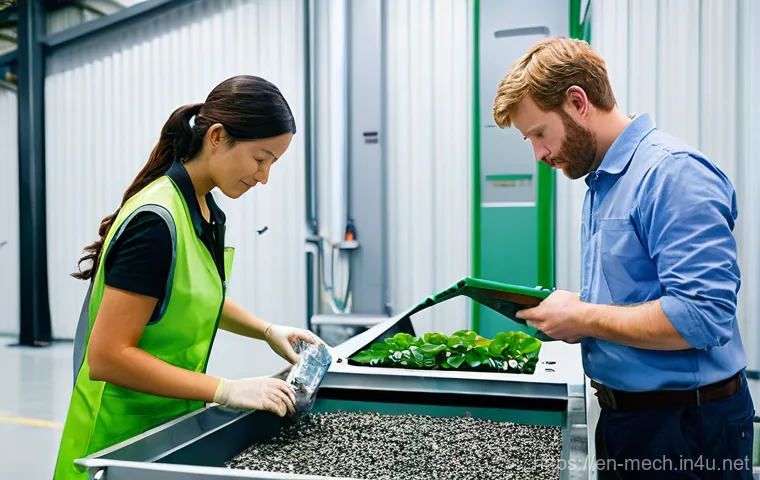
With all this talk about AI, machine learning, and robotics, you might wonder, “What about the people?” And that’s a fair question! But from my perspective, the human element in mechanical engineering and machining is more critical than ever, though our roles are definitely evolving. It’s not about being replaced; it’s about being elevated. The traditional ‘operator’ is becoming more of an ‘orchestrator’ or ‘data analyst,’ managing sophisticated systems, interpreting complex data, and making high-level strategic decisions. We’re moving away from repetitive, manual tasks towards roles that demand critical thinking, problem-solving, and continuous learning. I’ve noticed a real sense of excitement among technicians who are embracing these new technologies, seeing it as an opportunity to upskill and take on more challenging, rewarding work. The future of manufacturing isn’t just about smart machines; it’s about empowering smart people to get the most out of those machines. It requires a different mindset, one of adaptability and a thirst for new knowledge.
From Operator to Orchestrator: New Roles for the Modern Engineer
The shift in job roles within modern machining facilities is profound and exciting. Where once a skilled operator might have spent hours manually adjusting machine settings, now their expertise is applied to programming sophisticated CAM software, optimizing AI algorithms, and analyzing performance data from multiple machines simultaneously. They are becoming more like system architects, ensuring that the entire manufacturing ecosystem runs smoothly and efficiently. I’ve spoken with many professionals who initially felt apprehensive about automation but now see it as a chance to grow their careers, moving into higher-value positions. It means less time on the shop floor with greasy hands and more time in front of advanced diagnostic screens, making critical decisions that impact entire production runs. This evolution transforms mechanical engineering from a purely physical discipline into one that heavily integrates data science, computer programming, and advanced systems management, making it an even more intellectually stimulating field.
Continuous Learning: Adapting to the Tech Tsunami
If there’s one thing I’ve learned from watching this industry evolve, it’s that continuous learning isn’t just a recommendation; it’s an absolute survival skill. The pace of technological advancement is so rapid that what you learned five years ago might already be outdated. Engineers and technicians must constantly adapt, acquiring new skills in areas like data analytics, industrial IoT, AI programming, and advanced materials science. Many companies are investing heavily in training programs, recognizing that their human capital is their greatest asset in navigating this tech tsunami. I personally make an effort to attend webinars, read industry journals, and connect with experts to stay abreast of the latest innovations. It’s a commitment to lifelong learning that ensures we not only keep up with the machines but also lead the charge in defining how these incredible tools will shape the future. Embracing this mindset allows us to remain indispensable, bringing our unique human insights and problem-solving abilities to the automated world.
From Blueprint to Reality: The Evolution of Prototyping and Production
The journey from a mere idea or a design on a screen to a tangible, functional part has been drastically accelerated and refined thanks to advancements in machining systems. It used to be a long, drawn-out process filled with costly iterations and significant delays. Now, with cutting-edge technologies, that journey is smoother, faster, and much more precise. I’ve always been fascinated by how quickly prototypes can be brought to life today. What took weeks or even months just a decade ago can now be achieved in days, sometimes even hours, thanks to the synergy of advanced software and highly efficient machining centers. This rapid iteration capability is absolutely vital in today’s fast-paced market, where getting new products to market quickly can make or break a business. It’s all about minimizing the gap between imagination and actual physical creation, allowing engineers and designers to test, refine, and perfect their ideas with unprecedented speed and accuracy. It’s truly a testament to how far we’ve come in turning concepts into concrete realities.
Rapid Iteration: Speeding Up the Design Cycle
The ability to rapidly prototype and iterate on designs has been a game-changer for product development. Imagine an engineer designing a complex component; in the past, they’d send the design off for manufacturing, wait weeks for the physical part, test it, find flaws, and then restart the whole process. Now, with advanced CNC machining and especially additive manufacturing (3D printing), a design can be digitally sent, manufactured within hours, and immediately tested. If a tweak is needed, a revised design can be printed or machined the very next day. I’ve personally seen how companies leverage this to go through dozens of design iterations in the time it used to take for just one. This dramatically reduces time-to-market, cuts development costs, and results in far more refined and optimized final products. It’s like having a superpower for product designers, allowing them to experiment and innovate at a pace previously unimaginable. This iterative speed is a cornerstone of modern, agile product development, driving continuous improvement.
Tailored to Perfection: Customization at Scale
Beyond rapid prototyping, modern machining systems are also enabling a new era of mass customization. Historically, bespoke parts were incredibly expensive due to the manual labor and specialized tooling required. However, with highly flexible CNC machines and additive manufacturing, manufacturers can now produce unique, tailored components on demand, without the prohibitive costs of traditional methods. Think about personalized medical implants, custom automotive parts, or even consumer products with unique features – this is all becoming feasible at a larger scale. I find it incredible that a machine can switch from producing one variant of a part to an entirely different one with just a software command, minimizing setup times and maximizing adaptability. This capability opens up vast new markets and allows businesses to cater to individual customer needs with precision and efficiency. It’s moving beyond a one-size-fits-all approach to a world where products are designed and manufactured with individual preferences in mind, all powered by flexible, intelligent machining.
| Aspect | Traditional Machining | Modern AI-Driven Machining |
|---|---|---|
| Maintenance | Reactive (fix when broken) | Predictive (AI forecasts failures) |
| Efficiency | Manual optimization, prone to variability | Automated, continuous data-driven optimization |
| Quality Control | Periodic human inspection | Real-time, in-process AI inspection |
| Resource Usage | Higher material waste, less energy efficiency | Optimized material usage, enhanced energy efficiency |
| Adaptability | Slower to reconfigure for new tasks | Rapid, software-driven re-tooling and process changes |
| Human Role | Direct operation and manual labor | Supervision, programming, data analysis, strategic planning |
The Economic Edge: Driving Growth Through Advanced Systems
Let’s talk brass tacks: what does all this innovation really mean for businesses? In a nutshell, it means a significant economic advantage. Investing in advanced mechanical engineering and machining systems isn’t just about having the latest tech; it’s about strategically positioning a company for growth, profitability, and sustained success in an increasingly competitive global market. I’ve seen firsthand how businesses that embrace these technologies – from AI-driven automation to sustainable practices – are able to drastically reduce their operational costs, improve product quality, and accelerate their time-to-market. This translates directly into higher revenues, better profit margins, and a stronger competitive stance. It’s about being smarter with resources, more responsive to market demands, and ultimately, delivering more value to customers. The economic benefits are compelling enough that even smaller workshops are now looking at how they can integrate these cutting-edge solutions, proving that the advantages aren’t exclusive to large corporations. It truly is about securing a future where manufacturing is both robust and highly lucrative.
Cost Savings and Quality Boost: A Win-Win for Businesses
One of the most immediate and impactful benefits of adopting advanced machining systems is the dual advantage of significant cost savings and a noticeable boost in product quality. By minimizing material waste through optimized cutting paths and predictive maintenance, companies can substantially reduce their raw material expenditures. Energy-efficient machines also contribute to lower utility bills. Furthermore, the enhanced precision and consistency delivered by automated and AI-driven systems lead to a dramatic reduction in defective parts, slashing rework costs and scrap rates. I’ve personally visited factories where the investment in new machinery paid for itself in just a few years purely through these efficiencies. The improved quality also builds stronger brand reputation and customer loyalty, reducing warranty claims and improving market standing. It’s a powerful combination that directly impacts a company’s bottom line, making the case for technological investment incredibly strong. When you produce more with less, and what you produce is better, everyone wins.
Global Competitiveness: Staying Ahead in a Dynamic Market
In today’s global economy, where competition is fierce and innovation is constant, staying ahead means continually pushing the boundaries of what’s possible in manufacturing. Countries and companies that invest in state-of-the-art mechanical engineering and machining systems are the ones that lead the pack, attracting talent, fostering innovation, and securing lucrative contracts. The ability to produce highly complex parts with extreme precision, at speed, and sustainably, gives manufacturers an undeniable edge. I often hear from industry leaders about the importance of being able to respond quickly to evolving customer needs and market shifts, and advanced machining is key to that agility. It’s not just about having the technology, but leveraging it to create innovative products and efficient processes that distinguish them from competitors. This constant drive to improve and innovate ensures that the sector remains a vital engine of economic growth, creating new jobs and opportunities worldwide. It’s about securing a position at the forefront of global industry, shaping the future of manufacturing for decades to come.
Wrapping Things Up
And there you have it, folks! What a journey we’ve taken through the incredible world of mechanical engineering and machining. It’s truly mind-boggling to think about how much precision and ingenuity go into crafting the world around us, isn’t it? From the tiniest micro-components to massive aerospace structures, every single piece tells a story of meticulous design, cutting-edge technology, and human brilliance. I honestly feel a thrill every time I dive into these topics, witnessing how innovation constantly reshapes what’s possible. This isn’t just about cold, hard metal; it’s about the relentless pursuit of perfection, driven by dedicated engineers and visionaries who are literally building our future, one perfectly machined part at a time. It’s a field brimming with opportunity and constant evolution, and I truly hope this deep dive has sparked a little curiosity or even inspiration in you, just as it always does for me. The future of manufacturing is not just bright; it’s incredibly precise, sustainable, and remarkably intelligent, making it an exciting space to watch, learn, and perhaps even contribute to.
Useful Insights to Keep in Mind
1. Embrace Lifelong Learning: The pace of change in mechanical engineering, especially with AI and automation, is relentless. Staying curious and continuously upgrading your skills in areas like data analytics, advanced CAD/CAM, and industrial IoT isn’t just a good idea; it’s absolutely essential for anyone looking to thrive in this dynamic field. Think of it as investing in your own future currency.
2. Sustainability isn’t Optional, It’s Smart Business: Forward-thinking companies are rapidly adopting eco-friendly machining practices, not just for the planet, but because it leads to reduced waste, lower energy costs, and a stronger brand image. Prioritizing sustainable materials and processes is becoming a key differentiator in the market, attracting both talent and conscious consumers.
3. Automation Enhances, Not Replaces, Human Potential: While robots and AI are taking over repetitive tasks, this frees up human workers for more complex, creative, and analytical roles. The future workforce in manufacturing will be focused on programming, system oversight, strategic decision-making, and innovative problem-solving, making human ingenuity more valuable than ever.
4. Precision is the Unsung Hero of Modern Life: Next time you use your smartphone, drive your car, or rely on medical technology, remember that the seamless operation and reliability of these devices are thanks to unbelievably precise machining. This foundational accuracy underpins almost every advanced product we interact with daily, making it a cornerstone of our technological world.
5. Data is the New Oil in Manufacturing: Every cut, every sensor reading, every machine cycle generates valuable data. Learning to interpret this data through machine learning and AI allows manufacturers to optimize processes, predict maintenance needs, and achieve unprecedented levels of efficiency and quality. Understanding data literacy is a superpower in today’s intelligent factories.
Key Takeaways
In essence, the landscape of mechanical engineering and machining is undergoing a profound transformation, driven by an unwavering commitment to precision and propelled by groundbreaking advancements in AI, sustainable practices, and automation. We’ve seen how these forces are not only revolutionizing manufacturing processes but also creating a smarter, more efficient, and environmentally responsible industry. From enabling rapid prototyping and mass customization to enhancing global competitiveness, the integration of these sophisticated systems is delivering immense economic value and shaping the very fabric of our modern world. It’s a compelling narrative of human innovation meeting technological prowess, leading us toward a future where our creations are not just functional, but flawlessly engineered, intelligently produced, and harmoniously integrated into our lives. The journey ahead promises even more exciting breakthroughs, and I, for one, can’t wait to see what comes next!
Frequently Asked Questions (FAQ) 📖
Q: How exactly are
A: I and Machine Learning transforming machining systems today, and what tangible benefits are manufacturers seeing? A1: Oh, this is such a hot topic right now, and for good reason!
I’ve been diving deep into this lately, and what I’ve personally seen and heard from folks on the factory floor is genuinely mind-blowing. AI and Machine Learning aren’t just buzzwords in machining; they’re fundamentally changing how we approach everything from design to daily operations.
Think about it: traditional machining often relied on skilled operators making adjustments based on experience. Now, with AI, these systems can literally “learn” from every cut, every tool wear pattern, and every anomaly.
For example, I spoke with an engineer recently who implemented an AI-driven system that predicts tool breakage before it happens, allowing them to proactively swap out tools and avoid costly downtime.
Before, this was a guessing game or reactive fix. Beyond predictive maintenance, AI is supercharging quality control. Imagine a machine vision system, powered by AI, inspecting parts at lightning speed, identifying microscopic flaws that a human eye might miss.
I’ve personally seen how this drastically reduces scrap rates, which is a huge win for the bottom line. Then there’s process optimization – AI can analyze vast amounts of data from sensors across the production line, figuring out the absolute sweet spot for feed rates, spindle speeds, and coolant flow to maximize efficiency and part quality.
It’s like having a hyper-intelligent assistant constantly fine-tuning your entire operation. The benefits are clear: we’re talking about significantly reduced operating costs, higher quality parts with tighter tolerances, and a much faster time to market.
It’s a game-changer, plain and simple.
Q: What’s the deal with sustainability in machining, and why is it so important for manufacturers to focus on it now?
A: You know, for a long time, the focus in manufacturing was almost exclusively on speed and cost. But let me tell you, that narrative has shifted dramatically, and sustainability isn’t just a “nice-to-have” anymore – it’s a critical component of modern machining.
From my vantage point, manufacturers are realizing that going green isn’t just about corporate social responsibility; it often makes excellent business sense.
We’re seeing intense pressure from consumers who prefer eco-friendly products, and let’s not forget the increasingly stringent environmental regulations.
So, how does sustainability play out in machining? A big part of it is energy efficiency. Older machines could be real power hogs, but newer, smarter systems are designed from the ground up to consume less energy.
We’re talking about optimized motor controls, smart idle functions, and better insulation. I’ve heard stories of companies seeing their electricity bills drop by noticeable percentages after upgrading to more energy-efficient equipment.
Another huge area is waste reduction. Think about all the metal chips and coolant waste generated in a typical shop. Modern systems are integrating advanced filtration and recycling technologies for coolants and lubricants, making them last longer and reducing disposal costs.
Plus, optimized cutting strategies mean less material waste in the first place. It’s about a holistic approach – reducing your carbon footprint, minimizing waste, and often, in the long run, saving a significant amount of money on resources and disposal.
It’s a win-win, truly.
Q: Looking ahead, what are some of the most exciting innovations we can expect in mechanical engineering and machining systems that will shape our future?
A: This is where my imagination really sparks! If you think things are exciting now, just wait. The pace of innovation in mechanical engineering and machining systems is truly breathtaking.
One of the areas I’m most enthusiastic about is the continued integration of the “digital twin” concept. Imagine a virtual replica of your entire machining operation, where you can simulate every process, test new designs, and predict performance before a single piece of metal is cut.
I believe this will drastically shorten development cycles and reduce prototyping costs, making innovation much more accessible. Then there’s the ongoing evolution of advanced materials.
We’re constantly discovering and developing new alloys, composites, and ceramics that are lighter, stronger, and more durable. Machining systems need to evolve to handle these materials with precision, so we’ll see more sophisticated tooling and adaptive machining strategies becoming commonplace.
On the automation front, I anticipate much more seamless human-robot collaboration, especially with “cobots” (collaborative robots) that can work alongside human operators safely and efficiently, taking over repetitive or dangerous tasks.
It’s not about robots replacing people entirely, but rather augmenting human capabilities, freeing up skilled workers for more complex problem-solving.
Finally, the move towards localized, on-demand manufacturing, possibly leveraging advanced additive manufacturing (3D printing) alongside traditional machining, is incredibly exciting.
It promises to revolutionize supply chains and allow for unparalleled customization. It’s going to be a fascinating journey, and I can’t wait to see it unfold!