Hey there, future innovators and curious minds! If you’ve ever stopped to marvel at how everything around us just *works*, from the smallest gear in your smartwatch to the massive turbines generating power, then you’re probably already captivated by the incredible world of mechanical system design.
It’s truly the backbone of our modern world, the invisible force shaping industries and making our daily lives smoother. But let me tell you, this isn’t your grandpa’s mechanical engineering anymore; this field is absolutely buzzing with groundbreaking advancements!
I’ve been immersed in this space for a while now, and what I’ve seen firsthand is a rapid evolution, almost a revolution, driven by technologies that were once sci-fi fantasies.
We’re talking about Artificial Intelligence completely redefining how we approach problem-solving, allowing engineers to optimize designs in ways we never thought possible, and even generating entirely new concepts that are astonishingly efficient.
And then there are ‘digital twins’—virtual replicas of physical objects—that let us test and perfect systems in a simulated environment before a single piece of material is cut, saving immense time and resources.
It’s frankly mind-blowing how much more precise and cost-effective this makes the entire development cycle. What truly excites me, and should excite anyone looking at the future, is the huge push towards sustainability.
Mechanical system design is at the forefront of creating eco-friendly solutions, whether it’s through innovative material choices, designing for optimal energy efficiency, or integrating renewable energy systems into our infrastructure.
Plus, advanced manufacturing techniques like 3D printing are not only enabling us to build complex, lightweight structures but also empowering us to customize like never before.
From smart systems connected by the Internet of Things to advanced robotics transforming how things are built, the sheer scope of innovation is breathtaking.
It’s a field demanding creativity, precision, and a genuine passion for building a better tomorrow. So, if you’re eager to truly grasp how these groundbreaking trends are shaping the future of engineering and what you need to know to stay ahead, let’s accurately explore this fascinating subject together.
Hey everyone! It’s truly a fantastic time to be involved in anything related to how our physical world works, and especially in mechanical system design.
The sheer speed of innovation we’re witnessing right now is exhilarating, and honestly, sometimes it feels like we’re living in the future that sci-fi writers only dreamed of.
What I’ve personally experienced, from countless conversations with brilliant engineers to deep dives into emerging tech, is that this field isn’t just about gears and levers anymore.
It’s about intelligence, interconnectedness, and a powerful drive towards a more sustainable planet. Let’s really dig into what’s making waves and how you can ride these exciting trends!
AI’s Transformative Touch in System Design
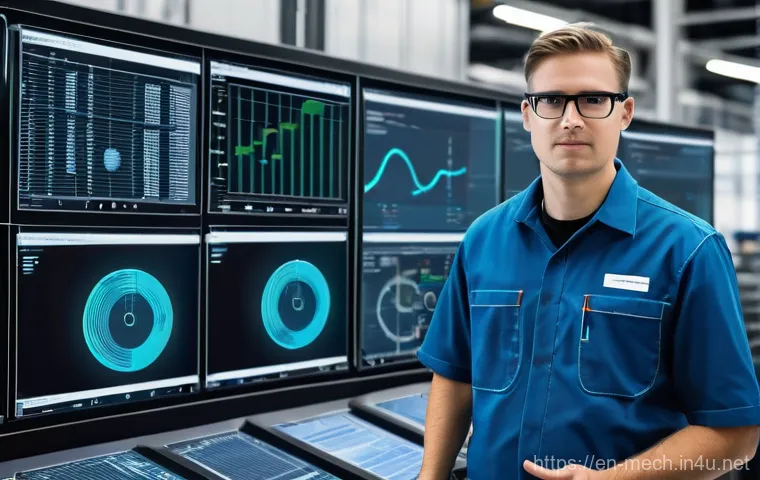
Artificial Intelligence isn’t just a buzzword; it’s genuinely reshaping the bedrock of mechanical design. I’ve seen firsthand how AI is empowering engineers to leap beyond traditional constraints, allowing us to conceptualize and refine designs in ways that were frankly unimaginable just a few years ago. Think about it: instead of spending weeks on iterative manual adjustments, AI algorithms can crunch colossal datasets, exploring thousands of design possibilities that meet specific performance criteria – from weight to strength to material usage – in a fraction of the time. This isn’t just about speeding things up; it’s about pushing the boundaries of what’s physically possible, leading to entirely novel and incredibly efficient mechanical solutions. For instance, generative design, a powerful AI application, isn’t just optimizing existing designs; it’s *creating* new ones from scratch based on parameters we define, often resulting in organic, lightweight structures that human intuition might never conceive. My own experience tells me that this kind of AI-driven exploration not only enhances innovation but also significantly cuts down on late-stage rework, saving immense resources and bringing products to market faster.
Intelligent Optimization and Automation
The beauty of AI in mechanical engineering really shines through in its ability to optimize complex systems and automate tedious tasks. From personal use, I’ve seen how AI tools can automate repetitive design modifications, conduct intricate stress analyses, and perfect component layouts, dramatically boosting productivity. This automation means engineers can dedicate their precious time to the truly creative and challenging aspects of a project, rather than getting bogged down in repetitive calculations. It’s like having an incredibly diligent assistant who never tires and processes data at lightning speed. AI also plays a crucial role in predicting material properties, which helps accelerate the discovery of new, advanced materials. By leveraging machine-learning algorithms, engineers can analyze vast datasets to identify optimal material compositions, leading to stronger, lighter, and more cost-effective materials for various applications.
Predictive Insights and Enhanced Quality
Another area where AI truly excels is in offering predictive insights throughout the mechanical design lifecycle. I’ve observed that AI-powered simulation tools can anticipate a product’s behavior under diverse conditions, helping engineers pinpoint potential issues early in the design phase. This proactive approach allows for optimization against factors like stress, fatigue, and heat transfer, minimizing costly failures down the line. Beyond design, AI algorithms are advancing maintenance strategies through predictive maintenance and condition monitoring. By analyzing sensor data from machines—monitoring vibration, temperature, and sound—AI can detect early fault signatures before they escalate into major breakdowns. This not only reduces downtime and maintenance costs but also significantly improves the reliability and safety of mechanical systems, which, let’s be honest, is a huge win for everyone involved.
Unlocking Potential with Digital Twins
If you’ve ever wanted a crystal ball for your engineering projects, digital twins are probably the closest we’re going to get! These are virtual replicas of physical objects or systems, and they’re utterly transforming how we develop and optimize mechanical designs. I’ve personally been fascinated by how these “digital counterparts” bridge the gap between the virtual and physical worlds, providing real-time monitoring and invaluable insights into a system’s behavior and performance. Imagine being able to test and perfect a complex machine in a simulated environment before a single piece of material is cut or a single component is manufactured. That’s exactly what digital twins allow us to do, saving monumental amounts of time, resources, and significantly reducing the risk of costly physical prototypes. This technology allows for continuous monitoring, analysis, and optimization throughout the entire product lifecycle, from the drawing board to maintenance and even decommissioning.
Real-time Replication and Performance Insights
The core power of digital twins lies in their ability to dynamically mirror a physical system. My experience has shown me that real-time data integration, where sensors on physical objects continuously feed information into the digital twin, is a game-changer. This enables engineers to monitor the performance of their designs under actual, real-world operating conditions, offering an unprecedented level of insight. We can see how a machine is reacting to changes in temperature, pressure, or workload, not just in a test lab, but out in the field. This constant stream of data, combined with advanced analytics and machine learning, helps us optimize system performance and efficiency with incredible precision. It’s like giving your design a voice, allowing it to tell you exactly how it’s feeling and what it needs to perform at its peak.
Predictive Maintenance and Lifecycle Management
Beyond initial design, digital twins are revolutionizing how we handle maintenance and lifecycle management. I’ve seen how they enable predictive maintenance, allowing design teams to anticipate potential failures and optimize maintenance schedules, which extends the operational lifespan of machines and drastically cuts down on downtime. This proactive approach means fewer unexpected breakdowns and a much smoother operational flow. For example, in the automotive industry, digital twins can alert a service center about an issue with a component’s performance even before the user notices a problem. By simulating different maintenance scenarios and forecasting component lifespan, digital twins optimize maintenance planning and even support remote diagnostics. This comprehensive understanding across the product lifecycle makes for much smarter, more reliable, and ultimately more profitable systems.
Pioneering a Sustainable Future Through Design
The global shift towards sustainability isn’t just a trend; it’s a fundamental imperative that’s deeply embedded in modern mechanical system design. From my perspective, this focus on “green engineering” is one of the most exciting and impactful developments in the field. Mechanical engineers are truly at the vanguard of creating eco-friendly solutions, whether it’s through innovative material choices, designing for optimal energy efficiency, or seamlessly integrating renewable energy systems into our infrastructure. We’re actively working to minimize waste, reduce carbon footprints, and develop products that are not only high-performing but also environmentally responsible throughout their entire lifecycle. It’s a challenging but incredibly rewarding endeavor, knowing that the designs we create today are contributing to a healthier planet for tomorrow.
Eco-Conscious Materials and Manufacturing
A huge part of this sustainable push involves a rigorous focus on materials. I’ve witnessed a significant shift towards utilizing eco-friendly materials that are renewable, recyclable, and boast a lower environmental impact. This includes everything from advanced lightweight composites like carbon fiber and graphene, which offer reduced weight while maintaining immense strength, to smart materials like self-healing polymers. These innovations are changing designs by offering lighter, more efficient, and inherently more sustainable solutions, particularly in industries like aerospace and automotive where weight reduction directly translates to fuel efficiency. Furthermore, sustainable manufacturing techniques are gaining traction, aiming to minimize waste generation and promote easier recycling of products at the end of their useful life.
Energy Efficiency as a Core Principle
Designing for energy efficiency has become a non-negotiable aspect of mechanical engineering. I’ve personally been involved in projects where optimizing energy consumption wasn’t just a bonus, but a primary design driver. This means developing more efficient HVAC systems for buildings, enhancing the fuel efficiency of vehicles (especially electric vehicles), and creating energy-conserving industrial machinery. For example, smart HVAC systems that use IoT sensors to adjust airflow and temperature based on occupancy and weather conditions can lead to substantial energy savings and improved comfort. The integration of renewable energy sources like solar and wind power into larger mechanical systems is also rapidly expanding, with engineers designing the very infrastructure that harnesses these clean energy technologies. It’s a holistic approach that seeks to embed sustainability from the very first sketch to the final product.
The New Frontier of Advanced Manufacturing
Forget the old-school factories you might picture; advanced manufacturing is where the real action is, utterly transforming how we build everything around us. From my vantage point, the sheer capabilities of technologies like 3D printing, also known as additive manufacturing, are truly mind-blowing. It’s not just for making prototypes anymore; we’re talking about producing complex, lightweight, and highly customized structures for everything from aerospace components to medical implants. This shift means we can create geometries and material systems that were simply impossible with traditional methods, pushing the boundaries of what a product can look like and how it performs. The ability to innovate at this level, crafting intricate designs layer by layer, is a huge step forward for mechanical system design.
Additive Manufacturing’s Creative Freedom
What I find most exciting about additive manufacturing is the unparalleled creative freedom it offers. My own ventures into this area have shown that designers are no longer constrained by the limitations of subtractive manufacturing (where material is removed from a block). Instead, we can build intricate internal structures, optimize geometries for strength-to-weight ratios, and integrate multiple components into a single printed part. This leads to lighter, stronger, and often more efficient designs. For example, 3D printing is enabling the creation of lightweight, custom vehicle components that reduce material waste and optimize energy consumption. Beyond just metals and plastics, researchers are now even exploring 3D printing ceramics, biodegradable actuators, and lithium-ion battery electrodes, opening up entirely new applications across diverse industries.
Precision, Customization, and Automation
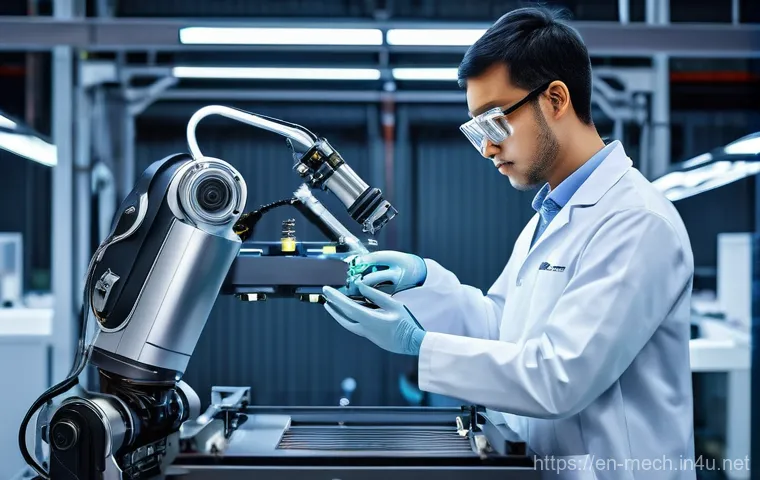
Advanced manufacturing is also synonymous with incredible precision and the ability to customize products on a mass scale. I’ve observed that these new processes allow for micro- and nano-scale fabrication, pushing the limits of resolution and enabling the creation of components for tiny sensors or complex medical devices. The level of detail and accuracy we can achieve now is astounding. Moreover, the integration of automation, often driven by AI, streamlines manufacturing processes, optimizes production efficiency, and ensures product quality. This means reduced scrap rates and consistent quality, which is crucial for profitability and customer satisfaction. It’s truly a leap forward from mass production to personalized, high-performance manufacturing, tailored to individual needs without sacrificing efficiency.
| Mechanical Design Trend | Key Benefit | Impact on Products | Real-world Example |
|---|---|---|---|
| AI-Driven Generative Design | Faster iteration, optimized geometries | Lighter, stronger, more efficient parts | Automotive parts with complex lattice structures |
| Digital Twin Technology | Real-time monitoring, predictive analytics | Increased reliability, reduced downtime | Wind turbines providing operational insights |
| Sustainable Materials | Reduced environmental footprint | Eco-friendly, recyclable components | Aerospace parts using lightweight composites |
| Additive Manufacturing | Design freedom, customization | Complex, integrated, and personalized products | Custom medical implants, intricate engine parts |
Connecting the Dots: IoT and Intelligent Systems
The Internet of Things (IoT) isn’t just about smart home gadgets anymore; it’s profoundly transforming mechanical systems, creating a world where machines aren’t just performing tasks but are actively communicating, learning, and optimizing their own performance. My personal exploration into this space reveals a vibrant ecosystem where sensors are embedded into everything, from industrial machinery to everyday products, constantly collecting and exchanging data. This interconnectedness allows for truly intelligent systems that can respond to their environment, predict issues, and operate with unprecedented levels of efficiency. It’s truly changing how products are designed, developed, and deployed, moving us towards an era of highly responsive and adaptive mechanical engineering.
Real-time Data and Remote Monitoring
One of the most immediate and impactful benefits of IoT integration is the ability to gather real-time data and enable remote monitoring. I’ve witnessed how sensors embedded in mechanical systems can continuously monitor various parameters like temperature, pressure, and vibration, providing engineers with a constant stream of critical operational data. This means we don’t have to be physically present to understand how a machine is performing. For instance, wind turbines in remote locations can be monitored via IoT sensors that track everything from wind speed to turbine efficiency and maintenance needs, all in real-time. This remote access through cloud-connected sensors and control systems isn’t just convenient; it allows for proactive intervention, preventing potential failures and optimizing performance on the fly, which significantly reduces operational costs and risks.
Enhanced Automation and Predictive Maintenance
Beyond simple monitoring, IoT integration fosters advanced automation and supercharges predictive maintenance capabilities. My experience confirms that by leveraging the vast amount of data collected, IoT systems can optimize mechanical operations in real-time. Imagine a manufacturing plant where IoT-enabled machines adjust their settings based on specific requirements, dynamically reducing energy consumption and waste while simultaneously improving product quality. Furthermore, the intelligent analysis of this data, often combined with AI and machine learning, enables systems to detect early fault signatures before they escalate into full-blown failures. This isn’t just about preventing breakdowns; it’s about shifting from reactive maintenance to a highly efficient, predictive approach that minimizes downtime and extends the lifespan of critical assets. The possibilities here are truly limitless, creating a future where mechanical systems operate with unparalleled reliability.
Robotics: Powering the Next Generation of Mechanical Innovations
Robotics isn’t some far-off concept anymore; it’s a vibrant and rapidly evolving field that is fundamentally transforming mechanical design, impacting industries from manufacturing to healthcare and even space exploration. From what I’ve seen, the advancements in robotics are reshaping how we approach physical tasks, requiring mechanical engineers to think differently about design for manufacturability, human-robot interaction, and overall system integration. What started as simple industrial robots performing repetitive tasks has truly evolved into sophisticated machines capable of complex movements, intelligent decision-making, and even nuanced interactions with humans. It’s a testament to the incredible fusion of mechanical, electrical, and computer engineering that defines modern robotics.
Redefining Production and Efficiency
The role of robotics in streamlining design and production processes is immense. I’ve personally observed how integrating automation and robotics into manufacturing lines significantly boosts efficiency and precision across every stage of development. This means tasks that were once tedious or hazardous for humans are now handled with incredible speed and accuracy by robots, allowing human engineers to focus on higher-level innovation and creative problem-solving. For example, in the automotive industry, robotics is indispensable for everything from assembly line production to intricate component manufacturing. This not only accelerates project completion times and improves product quality but also reduces costs by minimizing errors and waste. The sheer flexibility and adaptability that advanced robots bring to production environments are revolutionizing how companies meet market demands.
Human-Robot Collaboration and Novel Applications
Perhaps one of the most exciting aspects of modern robotics is the growing emphasis on human-robot collaboration, often through “cobots.” My experience has taught me that designing robots to safely and effectively work alongside humans requires careful consideration of mechanical design, safety protocols, and ergonomics. These collaborative robots are enhancing productivity in ways we’re just beginning to fully understand, blending human creativity with robotic precision. Beyond industrial settings, robotics is opening up entirely new avenues. In fields like agriculture, mechanical engineers are designing autonomous vehicles and robotic harvesters to optimize farming practices and increase crop yields. And in space exploration, robotic systems designed by mechanical engineers are playing crucial roles in planetary exploration and satellite maintenance, pushing the very boundaries of what’s achievable off-world. It’s a clear indicator that the future of mechanical design will be deeply intertwined with these increasingly intelligent and versatile machines.
Wrapping Things Up
Wow, what a journey we’ve been on exploring the incredible evolution of mechanical system design! It’s clear that this field isn’t just evolving; it’s undergoing a thrilling revolution, fundamentally reshaping how we interact with our physical world. The seamless integration of AI, the profound insights from Digital Twins, the imperative of sustainable practices, the sheer capabilities of advanced manufacturing, the interconnectedness of IoT, and the dynamic advancements in robotics—these aren’t just theoretical concepts. They are happening right now, creating unparalleled opportunities and shaping a future that’s more efficient, intelligent, and environmentally conscious. I truly believe that by embracing these trends, we’re not just designing products; we’re crafting the very fabric of our future world, one innovative system at a time. Keep exploring, keep learning, and keep pushing those boundaries!
Useful Information to Know
1. Dive into Continuous Learning: The landscape of mechanical design is transforming at lightning speed, making continuous learning absolutely essential. I’ve personally found immense value in online courses and certifications from platforms like Coursera or edX, especially those focused on practical applications of AI for engineers, advanced simulation techniques for digital twins, or specific software for additive manufacturing. These aren’t just about gaining knowledge; they’re about demonstrating tangible skills. Regularly attending industry webinars and virtual summits, even if they’re introductory, can be a goldmine for understanding new tools, emerging methodologies, and critical industry shifts. The more you immerse yourself in these learning opportunities, the faster you’ll adapt, innovate, and remain relevant in this exciting field. Staying curious and proactive in your learning journey is your greatest asset.
2. Network and Collaborate Actively: Seriously, don’t underestimate the power of connecting with other professionals! I’ve met some of the most inspiring and knowledgeable minds at industry conferences, through professional organizations, online forums, and even via platforms like LinkedIn. These connections offer far more than just job prospects; they’re invaluable for sharing insights, troubleshooting complex challenges, and gaining diverse perspectives on cutting-edge problems. Sometimes, a casual conversation or a shared problem can spark an idea that totally changes your design approach or opens up a new avenue for innovation. Building a strong professional network gives you access to a collective brain trust and mentorship opportunities that no single person can replicate, fostering collaboration and accelerating your growth.
3. Embrace Interdisciplinary Thinking: The days of mechanical design being a siloed discipline are long gone. My experience has consistently shown that the most groundbreaking innovations emerge from the intersection of different fields. Don’t be afraid to delve into the basics of computer science for IoT development, data analytics for predictive maintenance, or even environmental science to truly grasp sustainable design principles. The ability to understand and speak multiple “engineering languages” makes you an incredibly versatile and indispensable asset in any modern design team. This holistic approach allows you to see the bigger picture, integrate diverse technologies more effectively, and contribute to solutions that are truly comprehensive and impactful across various domains.
4. Start Small, Think Big with Projects: You don’t need to embark on a massive, complex industrial robot project on day one to gain valuable experience. I always advise starting with smaller, manageable personal projects to build confidence and hone practical skills. Perhaps try designing and 3D printing a custom component for a household item, or utilize open-source IoT kits to monitor environmental conditions in your home. These small, successful ventures are crucial for building foundational experience, testing out new tools, and understanding design principles in a hands-on way. They often serve as stepping stones to bigger, more complex endeavors and allow you to iterate quickly. Remember, every expert in the field began with simple experiments and a willingness to learn from every iteration, no matter how small.
5. Focus on Real-World Impact and Purpose: When you’re immersed in the design process, always take a moment to ask yourself: “How will this truly benefit people, solve a critical problem, or contribute positively to the planet?” I’ve found that having a clear sense of purpose makes the entire design journey infinitely more rewarding and fuels creativity. Whether you’re striving to create a more energy-efficient appliance, develop a life-saving medical device, or optimize a sustainable manufacturing process, tying your work to tangible positive outcomes keeps you deeply motivated and ensures your innovations are not just clever, but truly meaningful. That profound connection between your design and its real-world impact is where the most inspiring and transformative work truly happens.
Key Takeaways
The mechanical system design landscape is currently undergoing a radical transformation, driven by a powerful synergy of cutting-edge technologies. Artificial Intelligence is fundamentally accelerating the design process, making it more intelligent, efficient, and capable of overcoming traditional constraints to generate optimized, novel solutions. Simultaneously, Digital Twin technology is offering engineers unprecedented insights, allowing for real-time monitoring, predictive analytics, and proactive optimization of systems, effectively bridging the gap between virtual simulation and physical reality. This synergistic approach leads to fewer costly errors, enhanced reliability, and more robust product performance throughout their entire lifecycle, from conception to maintenance.
Furthermore, sustainability has shifted from being a mere consideration to a core design imperative, deeply influencing innovation in eco-friendly materials and highly energy-efficient systems. We’re not simply building products; we’re actively constructing a greener, more responsible future for everyone. Advanced manufacturing techniques, particularly additive manufacturing (3D printing), are liberating designers with unparalleled creative freedom, enabling the creation of intricate, high-performance, and custom-tailored components that were previously impossible to achieve. This profound shift is revolutionizing production efficiency, drastically reducing waste, and opening new avenues for product innovation.
Finally, the ubiquitous interconnectedness facilitated by the Internet of Things (IoT) is fostering truly intelligent mechanical systems that can communicate, learn, and adapt autonomously, significantly enhancing automation and predictive maintenance capabilities. Concurrently, the advancements in robotics are moving far beyond simple industrial automation, now emphasizing sophisticated human-robot collaboration and unlocking new frontiers in diverse sectors ranging from advanced healthcare solutions to critical space exploration missions. It’s an incredibly dynamic and exciting field, relentlessly pushing the boundaries of what’s mechanically possible, and I’m genuinely thrilled to witness and contribute to where these groundbreaking innovations will lead us next!
Frequently Asked Questions (FAQ) 📖
Q: How are buzzwords like
A: I and Digital Twins actually changing the daily grind for mechanical system designers? It sounds futuristic, but what’s the practical impact? A1: Oh, this is such a fantastic question, and one I get asked a lot!
From my vantage point, it’s not just futuristic; it’s happening right now, transforming how we approach every single project. Think about it: before, iterating on a design meant lengthy physical prototypes, costly tests, and a lot of “oops, back to the drawing board” moments.
Now, with Digital Twins, it’s like having a perfectly identical, fully functional clone of your system existing purely in the digital realm. I’ve personally seen engineers – myself included – use these virtual models to simulate every possible scenario, predict performance under stress, and even anticipate potential failures before anything is ever manufactured.
It’s truly mind-blowing! This isn’t just about saving money; it’s about hyper-optimizing designs for efficiency, durability, and even aesthetics in a fraction of the time.
And AI? It’s our co-pilot, our super-smart assistant. It can sift through mountains of data, identify patterns we’d miss, and even generate entirely novel design concepts based on specified parameters.
I recall working on a project where AI helped us discover an optimal material distribution for a lightweight component that we likely wouldn’t have found through traditional methods.
It pushed the boundaries of what we thought was possible, leading to designs that are not just functional but genuinely revolutionary. It really speeds up the innovation cycle, allowing us to focus on the truly creative problem-solving rather than repetitive analysis.
It’s like having an extra brain, but one that can process millions of data points in seconds!
Q: With all this focus on innovation, where does sustainability fit into modern mechanical system design? Is it just a buzzword, or are engineers genuinely making a difference?
A: That’s a truly critical question, and I’m so glad you brought it up. If you ask me, sustainability isn’t just a buzzword in mechanical system design; it’s rapidly becoming the defining principle for many engineers, and for good reason!
I’ve witnessed a massive shift towards integrating eco-conscious thinking into every stage of the design process. It’s no longer an afterthought; it’s a fundamental requirement.
Engineers are making incredible strides. We’re talking about designing products and systems for their entire lifecycle – from the sourcing of materials (think recycled or sustainably produced), to optimizing for extreme energy efficiency during operation, all the way to designing for easy disassembly, repair, and eventual recycling at the end of a product’s life.
I’ve been involved in projects focused on designing better ventilation systems for buildings, which, through clever mechanical design, significantly reduce energy consumption.
It’s incredibly rewarding to see designs that not only perform brilliantly but also actively contribute to a greener planet. We’re also seeing huge advancements in new materials – lighter, stronger, and more sustainable composites.
And let’s not forget the drive to integrate renewable energy sources into our infrastructure. Mechanical engineers are key players in designing wind turbines, solar tracking systems, and even advanced geothermal systems.
It truly feels like we’re on the front lines of building a more sustainable future, and that passion for creating positive impact is infectious within the community.
It’s a core value now, not just a marketing slogan.
Q: For someone looking to get into or stay ahead in this rapidly evolving field, what skills or mindset do you think are most crucial right now?
A: What an excellent question for anyone eyeing this dynamic field! Based on my own journey and what I’m seeing amongst the most successful innovators, the landscape is definitely shifting beyond just traditional mechanical engineering skills.
While a strong foundation in mechanics, thermodynamics, and materials science is still absolutely essential – don’t get me wrong, those fundamentals are your bedrock!
– the game-changers now are adaptability and a hunger for interdisciplinary knowledge. I’ve found that being comfortable with data science, basic programming (especially for simulation and automation), and even a good grasp of electrical engineering or software principles gives you a massive advantage.
We’re building increasingly smart, interconnected systems, so understanding how mechanical components interface with electronics and code is non-negotiable.
It’s not about becoming a master of everything, but about being fluent enough to collaborate effectively across disciplines. Beyond the technical, I’d say creativity, critical thinking, and a genuine passion for problem-solving are more important than ever.
The problems we’re tackling are complex, and the solutions often aren’t found in textbooks; they require innovative thinking and a willingness to challenge the status quo.
I’ve often seen the best solutions come from engineers who aren’t afraid to experiment, fail fast, and learn from every iteration. Plus, continuous learning is key – the field is moving so quickly that what’s cutting-edge today might be standard tomorrow.
Staying curious and always seeking out new knowledge is the secret sauce, if you ask me! It’s an exciting time to be in this field, but it definitely demands that you keep your mental toolkit sharp and always be ready to pick up a new ‘wrench’ or ‘code editor’!